


The Ultimate Guide to Navratri Celebrations: Traditions and Rituals
Navratri is one of the most celebrated and spiritually uplifting Hindu festivals, observed with devotion, music, dance, and rituals across India. The word Navratri itself explains its essence—Nav means nine, and Ratri means nights. Over these nine sacred nights, devotees worship the nine forms of Goddess Durga, also revered as Maa Shakti, the divine feminine energy who sustains, protects, and transforms the universe.
Navratri is not just a festival; it is a celebration of faith, courage, and the triumph of good over evil. With every passing day of this festival, devotees immerse themselves in prayers, fasting, rituals, and cultural celebrations, finding both spiritual strength and community bonding.
Why is Navratri Celebrated?

Navratri is deeply rooted in sacred legends. One of the most popular beliefs is the story of Goddess Durga’s battle with the mighty demon Mahishasura. Empowered with a boon that no man could kill him, Mahishasura wreaked havoc in the world. To restore balance, the divine feminine took the form of Durga and fought a fierce nine-day battle before finally slaying the demon on the tenth day, celebrated as Vijayadashami or Dussehra.
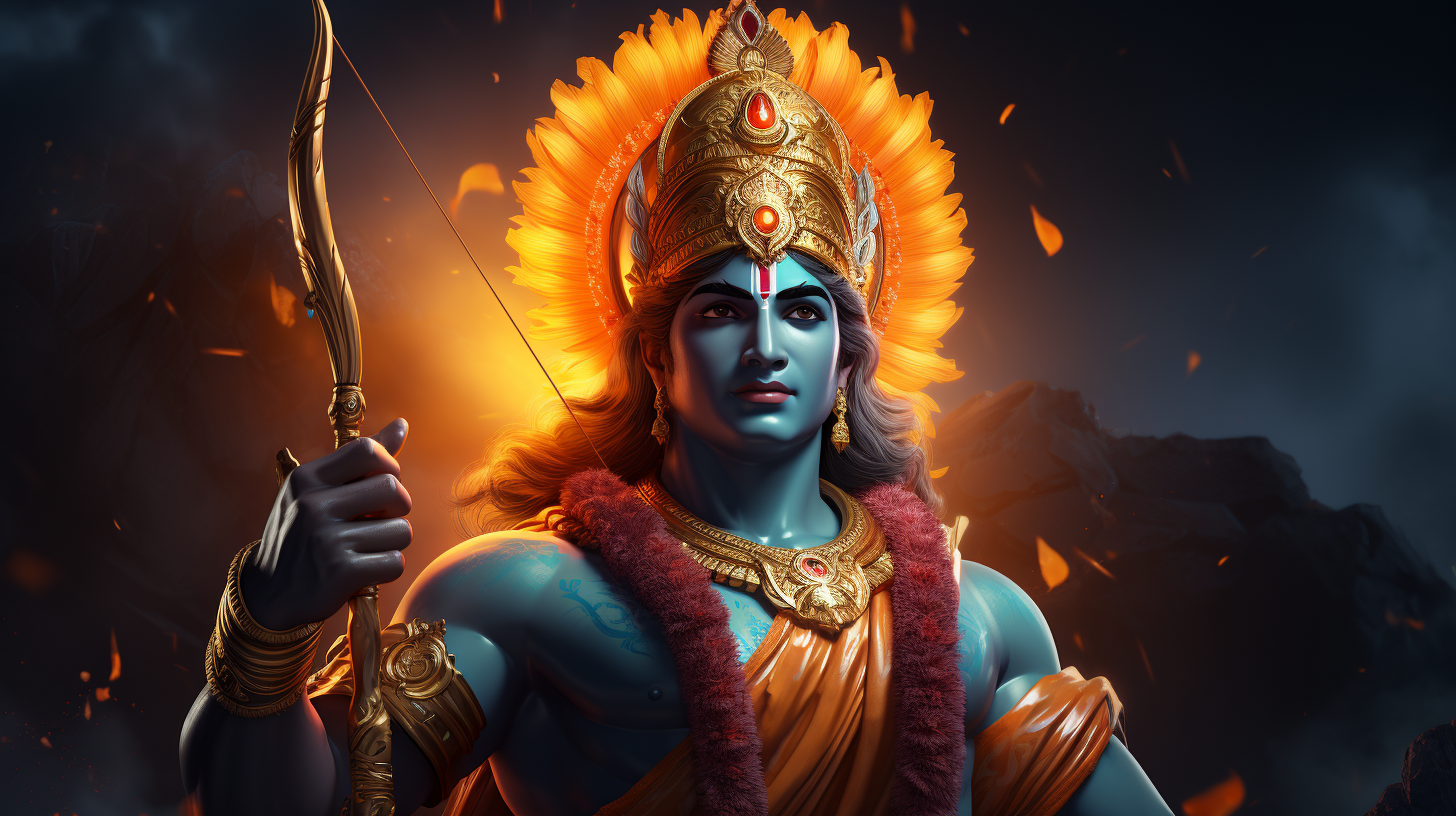
Another legend connects Navratri to Lord Rama’s victory over Ravana, symbolizing righteousness overcoming evil. For Shakta devotees, Navratri is also seen as the time when the Goddess descends to Earth, blessing her devotees and embodying both nurturing love and fierce protection.
Navratri: Celebration Time & Dates

Navratri is celebrated four times a year, but the most widely observed is Sharada Navratri, which falls during September–October. Other Navratris include Chaitra Navratri (March–April), Magha Navratri (January–February), and Ashadha Navratri (June–July). Each carries unique cultural importance, but Sharada Navratri is observed with grand rituals, fasts, and festivals across India.
The Nine Goddesses of Navratri and Colours of Each Day

Each day of Navratri is dedicated to one of the nine divine forms of Goddess Durga, known as Navdurga. Devotees not only worship the Goddess but also follow a specific colour of the day that carries spiritual significance. Here are the Navratri 2025 significance & colours:
- Day 1 – White (Shailaputri)
Goddess Shailaputri, the daughter of the mountains, is worshipped on the first day. White signifies purity and peace, reminding devotees to begin the festival with a calm and devoted heart. - Day 2 – Red (Brahmacharini)
Goddess Brahmacharini embodies wisdom and penance. Red stands for strength, passion, and determination, qualities that help devotees progress on the spiritual path. - Day 3 – Royal Blue (Chandraghanta)
Worshipped for courage and serenity, Goddess Chandraghanta represents bravery and grace. Royal Blue symbolizes divine energy, stability, and spiritual depth. - Day 4 – Yellow (Kushmanda)
Goddess Kushmanda is considered the creator of the universe, blessing devotees with vitality and joy. Yellow radiates warmth, positivity, and optimism. - Day 5 – Green (Skandamata)
Skandamata, the mother of Lord Kartikeya, represents nurturing love and compassion. Green reflects growth, harmony, and prosperity. - Day 6 – Grey (Katyayani)
Fierce and courageous, Goddess Katyayani is a destroyer of evil forces. Grey represents balance and the power to face challenges with inner strength. - Day 7 – Orange (Kalaratri)
Known as the fiercest form of Durga, Kalaratri destroys darkness and ignorance. Orange signifies energy, power, and transformation. - Day 8 – Peacock Green (Mahagauri)
Mahagauri, symbolizing beauty and purity, blesses devotees with serenity and forgiveness. Peacock Green represents compassion and new beginnings. - Day 9 – Pink (Siddhidatri)
Goddess Siddhidatri is worshipped for granting wisdom and spiritual powers. Pink embodies kindness, love, and harmony.
Navratri Traditions and Rituals

Navratri is celebrated with vibrant traditions that vary across regions but share a common devotion to the Goddess. Some key rituals include:
- Ghatasthapana (Kalash Sthapana): Establishing a pot symbolizing the presence of Goddess Shakti.
- Akhanda Jyoti: Lighting an eternal flame throughout the nine days as a symbol of divine presence.
- Durga Saptashati Path: Reciting sacred verses from scriptures to invoke the Goddess’s blessings.
- Kanya Puja: Worshipping young girls as embodiments of divine feminine energy.
- Garba and Dandiya: Folk dances performed especially in Gujarat and Maharashtra, celebrating the joy of devotion.
- Durga Puja: Particularly grand in West Bengal, with artistic pandals, rituals, and immersion ceremonies.
Food and Fasting Traditions

Fasting during Navratri is not just about abstaining from food but about purifying the mind, body, and soul. Devotees consume satvik food, free from onion, garlic, and grains. Popular fasting delicacies include sabudana khichdi, kuttu puris, singhare ke atte ka halwa, and fruit chaats. These meals are light yet nourishing, keeping the spirit of devotion alive. Read more about Navratri Fasting Benefits
Regional Celebrations Across India

- Gujarat & Maharashtra: Famous for Garba and Dandiya Raas nights.
- West Bengal: Celebrated as Durga Puja with grand idols, pandals, and cultural performances.
- Tamil Nadu & Karnataka: Golu or Bommai Kolu displays dolls and figurines symbolizing divine presence.
- North India: Ramleela performances and Dussehra celebrations with effigy burning of Ravana.
Modern-Day Celebrations

In today’s times, Navratri is celebrated not just in temples and homes but also through community gatherings, online pujas, and global diaspora events. Social media campaigns, eco-friendly idols, and themed Garba nights bring a contemporary touch while keeping traditions intact.
Navratri is more than just a festival—it is a reminder of the strength, compassion, and resilience of the divine feminine. As we worship the nine forms of Goddess Durga, we also celebrate the qualities within ourselves that help us overcome challenges and spread positivity. The festival brings families, communities, and cultures together, creating a spiritual rhythm of devotion and joy.