

The Significance and Power of Shree Hanuman Chalisa
The Shree Hanuman Chalisa is one of the most widely recited and revered devotional hymns in Hinduism. Composed by Goswami Tulsidas, this sacred prayer is recited daily by millions who seek strength, protection, clarity, and divine grace from Lord Hanuman.
Beyond its devotional beauty, the Hanuman Chalisa is a spiritual tool that transforms the mind, energizes the body, removes fear, and aligns the seeker with unwavering faith. This guide explores its history, meaning, benefits, scientific perspective, miraculous accounts, and how to chant it correctly.
What Is the Hanuman Chalisa?

The Hanuman Chalisa is a 40-verse devotional hymn composed by Tulsidas in praise of Lord Hanuman. It describes Hanuman’s divine qualities—strength, wisdom, devotion, courage—and is believed to remove obstacles, fear, negative energies, and planetary doshas. Chanting it daily brings protection, peace, energy, and spiritual upliftment.
Origin and History of the Hanuman Chalisa
Composed by Goswami Tulsidas
- Written in the 16th century by Goswami Tulsidas, author of the Ramcharitmanas
- Written in Awadhi so that spiritual wisdom could reach the common people
- Part of the larger Bhakti movement
Why 40 Verses?
The word Chalisa comes from chalis (forty). Each verse encapsulates a specific divine quality of Lord Hanuman, making it easy to memorize and recite.
Legends Behind the Creation of the Hanuman Chalisa

- The Akbar Imprisonment Miracle
Folklore narrates that Tulsidas was imprisoned by Emperor Akbar for refusing to perform a miracle.
While in jail, he wrote one verse of the Hanuman Chalisa each day. On the 40th day, a troop of divine monkeys appeared, causing chaos and leading to his release—showing Hanuman’s instant protection of his devotees.
- Blessing for a Long Life
Another legend suggests Tulsidas was destined for a short lifespan. Chanting and composing the Chalisa brought Hanuman’s blessings, granting him a long, fulfilling life.
Divine Qualities of Lord Hanuman Highlighted in the Chalisa

Lord Hanuman is referred by many names—Anjaneya, Pavanputra, Mahaveer, Bajrangbali, Kesari Nandan. The Chalisa celebrates his:
- Infinite strength
- Vast knowledge of scriptures
- Unmatched courage
- Purity and celibacy
- Fearlessness
- Devotion to Shri Ram
- Humility and service
- Protection from evil forces
Reading these qualities daily inspires devotees to internalize them.
Spiritual Benefits of Chanting the Hanuman Chalisa

- Removes Negative Energies and Obstacles
Hanuman is Sankat Mochan. His energy shields devotees from unseen forces, black magic, fear, and negativity.
- Builds Courage, Confidence, and Determination
The Chalisa recounts Hanuman’s heroic feats—reminding devotees that no challenge is bigger than divine strength.
- Calms the Mind and Reduces Stress
The rhythmic recitation induces a meditative flow, balancing emotions and reducing anxiety.
- Relief from Shani Dosh and Sade Sati
Astrologically, chanting the Chalisa mitigates Saturn’s adverse effects and brings stability.
- Improves Focus, Memory, and Discipline
Students and professionals chant it for improved concentration, clarity, and mental sharpness.
- Promotes Mental & Physical Healing
The spiritual vibration of the syllables creates an energetic shield around the body.
- Brings Success and Fulfills Wishes
When chanted with pure devotion, the Chalisa is believed to fulfill sincere desires.
Scientific & Psychological Perspective
Even without a religious lens, the Chalisa offers measurable benefits:
- Activates alpha brain waves → deep relaxation
- Regulates breathing → improves oxygen flow
- Sound vibrations stabilize the nervous system
- Enhances memory through repetition
- Lowers stress and anxiety
- Creates mental discipline
This is why regular chanting feels calming and empowering.
Miraculous Powers Associated With the Hanuman Chalisa
- Protection from dangers
- Removal of fear and phobias
- Divine guidance during confusion
- Cleansing of past karmas
- Relief during life’s toughest phases
- Shielding from negative energies
How to Chant the Hanuman Chalisa (Step-by-Step Guide)

Step 1: Prepare the Space
Light a diya or incense. Sit facing east.
Step 2: Calm the Breath
Take 3–5 deep breaths.
Step 3: Chant Slowly & Clearly
Maintain a steady pace; avoid rushing.
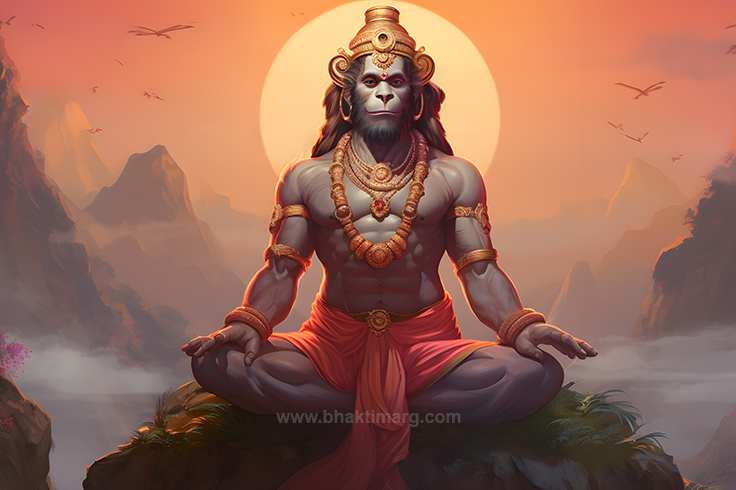
Step 4: Focus on Hanuman’s Form
Visualize his strength and protection.
Step 5: Close with Gratitude
End with “Jai Hanuman.”
Best Time to Chant the Hanuman Chalisa
- Early morning (Brahma Muhurat)
- Evening (Sandhya time)
- Tuesdays and Saturdays
- During Shani Mahadasha or Sade Sati
- Before starting new work
- Whenever anxious, afraid, or stressed
Do’s and Don’ts for Chanting
Do’s
- Chant with clean mind and body
- Maintain regularity
- Sit in a peaceful environment
Don’ts
- Don’t chant in anger or ego
- Avoid chanting while lying down
- Avoid distractions
The Chalisa in Daily Life: Modern Relevance
Even today, in a fast-paced world, the Hanuman Chalisa offers:
- Mental clarity
- Emotional balance
- Courage to handle challenges
- Protection from negativity
- Spiritual grounding
- Deep inner peace
It is one of the simplest yet most powerful spiritual practices available to anyone.
Final Summary
The Shree Hanuman Chalisa is a timeless treasure of devotion that continues to guide millions of devotees on the path of faith and spirituality. Its 40 powerful verses are believed to remove fear, strengthen the mind, improve focus, and provide divine protection during life’s challenges. Whether recited for peace, courage, or spiritual upliftment, the Chalisa remains one of the most revered prayers dedicated to Lord Hanuman. Through its profound wisdom and spiritual energy, it inspires devotees walking the path of Bhakti Marg, reminding us that faith, humility, and sincere devotion have the power to transform our lives.
To deepen your connection with this sacred hymn, you can explore the benefits of chanting Hanuman Chalisa and understand how regular recitation positively influences the mind and soul. You may also read the complete Hanuman Chalisa in English or follouw the devotional verses on the Shree Hanuman Chalisa by Udit Narayan page.
For a more engaging devotional experience, you can watch the Hanuman Chalisa Hindi Lyrical Video, listen to the soulful Hanuman Chalisa by Udit Narayan video, or chant along with the Hanuman Chalisa in English Lyrics Video, helping you experience the spiritual power of this sacred prayer in your daily devotion.