

Diwali 2026: Date, Timings, Significance & Celebrations
Diwali, also known as Deepavali, the Festival of Lights, is one of India’s most cherished festivals. It symbolises the triumph of light over darkness, knowledge over ignorance, and good over evil. In 2026, families and communities across the world will light diyas on Sunday, 8 November, to brighten their homes, hearts and spirits. To understand why it is called the Festival of Lights, read why Deepavali is called the Festival of Lights.
This guide covers the Diwali 2026 date, Lakshmi Puja muhurat, spiritual and historical significance, celebrations across India and the world, and how to celebrate mindfully.
Diwali 2026 Date & Key Timings

In 2026, Diwali (Deepavali) will be celebrated on Sunday, 8 November 2026. It falls on the Amavasya (new moon) of the Kartik month, and it is the most auspicious day for Lakshmi Puja. The puja is performed in the evening during Pradosh Kaal, the twilight period after sunset, when the Amavasya tithi is present.
Lakshmi Puja Muhurat 2026
Muhurat timings depend on sunset, so they change from city to city. The approximate Lakshmi Puja timings (IST) are:
- Diwali date: Sunday, 8 November 2026
- Delhi: approx. 5:47 PM to 7:13 PM
- Mumbai: approx. 6:18 PM to 7:44 PM
- Bengaluru: approx. 6:07 PM to 7:33 PM
- Kolkata: approx. 5:12 PM to 6:38 PM
Some panchangs also recommend a longer window within Pradosh Kaal, or a specific Vrishabha (Taurus) Lagna window. Check your local panchang or temple for the exact muhurat in your city. For step-by-step worship, see our Diwali pooja vidhi.
Other Diwali Week Festivals
The 5-day celebration of Diwali includes several important days:
- Dhanteras: Friday, 6 November 2026
- Chhoti Diwali (Narak Chaturdashi): Saturday, 7 November 2026 (some panchangs observe it on 8 November)
- Diwali (Lakshmi Puja): Sunday, 8 November 2026
- Govardhan Puja (Annakut): Monday, 9 November 2026
- Bhai Dooj: Tuesday, 10 November 2026
Dates of the minor festivals can differ by a day depending on the panchang. Each day has its own spiritual meaning, symbolising purification, wealth, divine blessings, gratitude and family bonds. Read more about the 5 days of Diwali.
Spiritual Meaning Behind Diwali

At its core, Diwali is a spiritual awakening as much as a festival of lights. Lighting a diya represents igniting the inner light of wisdom to dispel ignorance and ego. It reminds us that wealth is meaningful only when accompanied by virtue, humility and devotion.
The Brihadaranyaka Upanishad’s prayer “Tamaso Ma Jyotirgamaya”, meaning “lead me from darkness to light”, captures this essence. It connects all Diwali traditions, whether worshipping Lakshmi for abundance, remembering Rama’s return for righteousness, or marking Mahavira’s Nirvana for liberation.
Historical & Spiritual Significance of Diwali

Diwali’s significance is rooted in Hindu mythology, Jain philosophy and Sikh history, which makes it a festival that crosses religions and regions.
Hindu Traditions
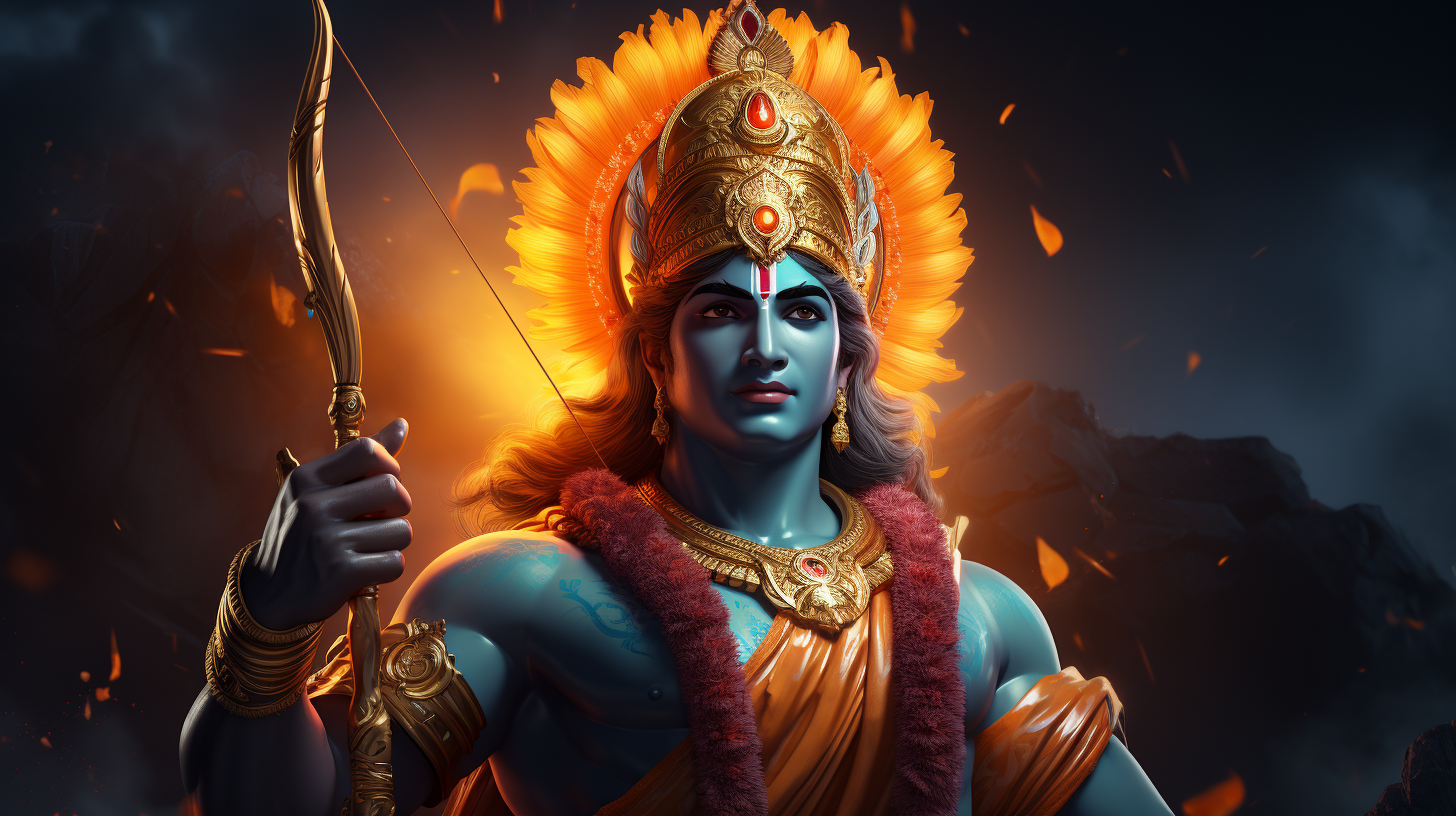
- Return of Lord Rama to Ayodhya: The best-known legend celebrates Lord Rama’s return to Ayodhya after fourteen years of exile and his victory over the demon king Ravana. The people of Ayodhya lit lamps across the city to welcome their king on the dark new-moon night.
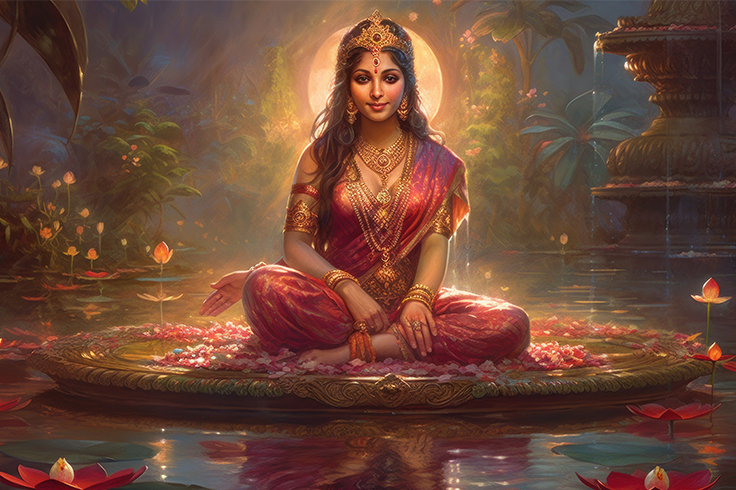
- Goddess Lakshmi: Diwali is also associated with the emergence of Goddess Lakshmi, the goddess of wealth and prosperity, from the Samudra Manthan, the churning of the cosmic ocean. Learn more about Laxmi Pujan and Diwali.
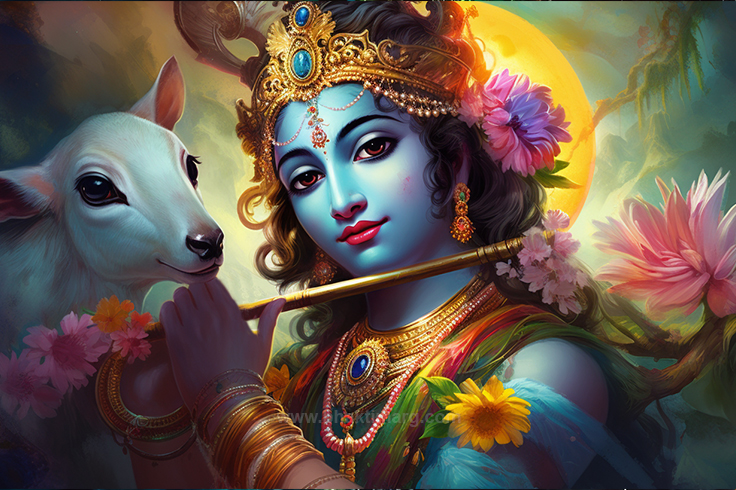
- Lord Krishna and Narakasura: In South India and Maharashtra, Narak Chaturdashi celebrates Lord Krishna’s victory over the demon Narakasura, symbolising the triumph of light over evil.
- Goddess Kali in Bengal: In West Bengal and eastern India, Kali Puja is performed on Diwali night to honour Maa Kali, the fierce form of Shakti who destroys ignorance and ego.
Jain Tradition
For Jains, Diwali marks the day Lord Mahavira, the 24th Tirthankara, attained Nirvana (spiritual liberation), traditionally dated to 527 BCE. It is a time of reflection, inner purification and spiritual awakening.
Sikh Tradition
In Sikhism, Bandi Chhor Divas coincides with Diwali. It commemorates Guru Hargobind Sahib Ji’s release from imprisonment in Gwalior Fort along with 52 kings, and symbolises freedom and justice.
Rituals and Celebrations Across India

Diwali is celebrated differently across India, but the essence remains the same: dispelling darkness with light, both literally and spiritually.
North India
Homes are cleaned and decorated with rangoli, torans and diyas. Devotees perform Lakshmi-Ganesha Puja in the evening, followed by family feasts. Cities such as Ayodhya, Varanasi and Jaipur are lit with thousands of lamps.
South India
Known as Deepavali, the festival begins early in the morning with an oil bath, new clothes and prayers to Lord Krishna for destroying Narakasura. Sweets such as Adhirasam and Mysore Pak are prepared.
Western India
In Gujarat, the day after Diwali is celebrated as the New Year (Bestu Varas), which falls on 9 November in 2026. On Diwali evening, merchants perform Chopda Pujan, worshipping their account books for prosperity in the coming financial year. In Maharashtra, the festival also includes Vasu Baras, Dhanteras and Narak Chaturdashi with the traditional Abhyanga Snan.
Eastern India
In Bengal, Odisha and Assam, Kali Puja takes centre stage. Devotees offer red hibiscus flowers, sweets and rice to Goddess Kali, symbolising the destruction of evil and the rise of spiritual power.
How Diwali is Celebrated Around the World
Diwali is no longer confined to India. It has become a global festival that unites communities across continents.
United States
Cities such as New York, New Jersey and California host Diwali melas, temple celebrations and cultural performances organised by local Indian communities.
United Kingdom
With a large Indian diaspora, Diwali is widely celebrated in Leicester and London, with street processions, diya-lighting ceremonies and public events, including celebrations at Trafalgar Square.
Middle East (UAE)
In the UAE, Diwali is a multicultural celebration with temple prayers, community feasts and festive shopping offers.
Singapore, Malaysia & Indonesia
These Southeast Asian countries host temple rituals, lantern displays and public celebrations that blend Indian traditions with local culture.
Global Recognition
Diwali is an official public holiday in several countries, including Singapore, Fiji, Trinidad & Tobago and Sri Lanka. Nepal celebrates the same period as Tihar, the festival of lights.
Modern Diwali: Balancing Tradition & Sustainability

As people choose more conscious ways of living, an eco-friendly Diwali has become a major theme. Many families now look for ways to celebrate that respect both tradition and the environment. Sustainable celebrations include:
- Using clay diyas instead of electric lights where possible
- Choosing biodegradable, natural rangoli colours
- Avoiding or limiting firecrackers, and opting for low-emission or green alternatives where permitted
- Donating to charity or feeding people in need
- Wearing sustainable ethnic fashion
- Avoiding single-use plastics during parties
Schools and organisations also run Green Diwali campaigns, encouraging people to celebrate responsibly without losing the joy of the festival.
Diwali Foods, Gifts & Festive Spirit
No Diwali is complete without good food and thoughtful gifts. Homes across India are filled with the aroma of sweets, snacks and festive meals prepared with devotion.
Traditional Diwali Sweets & Snacks
Popular sweets include laddus, barfis, kaju katli, gulab jamun, rasgulla and jalebi. Savoury snacks such as chakli, namakpare and shakarpare are enjoyed with tea. Food symbolises abundance and gratitude and is shared with family, friends and neighbours. On Govardhan Puja, Annakut prasad, a large offering of vegetarian dishes, is prepared out of devotion and gratitude.
Gift Ideas for Diwali 2026
Diwali gifts are becoming more personal and eco-conscious. Thoughtful options include handcrafted diyas and candles, organic sweets and dry fruits, silver coins, jewellery, pooja hampers and corporate gifts with a sustainable touch. E-vouchers and digital gifts are also popular.
Festive Spirit
Beyond the rituals, Diwali is a time for reunion, gratitude and new beginnings. Laughter over sweets, shared prayers and the glow of diyas strengthen emotional bonds and turn every home into a place of light and happiness.
A Festival of Light, Faith & Bhakti

Diwali 2026 is more than a date. It is a time for renewal, reflection and divine connection. As diyas light up our homes, they also awaken the inner light that guides us towards truth, compassion and joy. Bhakti Marg preserves the essence of devotion and helps seekers connect with the deeper meaning of Diwali, through celebrations that are mindful, meaningful and spiritually enriching.
May this Diwali 2026 bring prosperity, inner peace and divine blessings to all. Happy Diwali!