


Sabarimala Ayyappa Temple, Kerala
Deep in the Western Ghats, perched roughly 3,000 feet above sea level within the Periyar Tiger Reserve, Sabarimala Sree Dharma Sastha Temple is one of the largest annual pilgrimage gatherings anywhere in the world. Dedicated to Lord Ayyappa, also known as Manikandan or Swami Ayyappan, the temple draws an estimated 10 to 15 million pilgrims every year, almost all of them concentrated into a short, intense pilgrimage season rather than spread across the calendar. What makes Sabarimala genuinely unusual among major Hindu shrines is both its remoteness, reached only after a forest trek, and its openness across religious lines, a legacy that traces back to the temple’s own founding legend.
The Legend Behind the Shrine
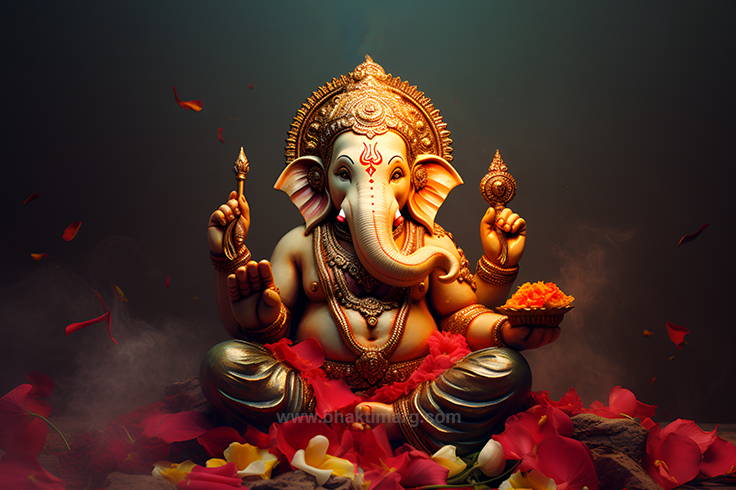
According to tradition, Lord Ayyappa is the son of Shiva and Mohini, the female form Vishnu took during the churning of the ocean, making Ayyappa a deity born of two male gods in mythology, a detail devotees often point to as central to his unique place in Hindu belief. He is said to have been found as an infant by the King of Pandalam and raised as a prince, later revealing his divine nature by defeating the powerful demoness Mahishi. Sabarimala is believed to be the very spot where Ayyappa meditated after that battle, and the pilgrimage itself is often described by devotees as a symbolic journey of the soul toward self-realization rather than simply a visit to a shrine.
One tradition woven into the pilgrimage that sets Sabarimala apart from almost every other major Hindu temple is the veneration of Vavar, a Muslim devotee and close companion of Ayyappa. Many pilgrims stop at the nearby Vavar Palli (mosque) as part of their journey, a practice widely cited as a living example of Kerala’s religious harmony and one that has continued for generations regardless of the pilgrim’s own faith.
The Pilgrimage Itself
Reaching Sabarimala is not a casual visit; it’s a deliberate act of discipline built into the tradition. Most pilgrims undertake a 41-day vratham, a period of austerity involving vegetarian food, abstinence, daily prayer, and simple living, before they ever set out. Pilgrims traditionally wear black or blue and carry an irumudi kettu, a two-compartment bundle of offerings balanced on the head, considered a mark of a properly prepared pilgrim. The final approach begins at Pamba, the base camp on the river of the same name, from where devotees trek roughly 4 to 5 km uphill through dense forest before climbing the eighteen sacred steps, the Pathinettampadi, each said to represent a human desire or vice the pilgrim symbolically leaves behind before entering the sanctum.
The temple doesn’t stay open year-round. It opens only for the Mandala Kalam season (mid-November to late December), the Makaravilakku festival that follows (late December to mid-January), the Vishu period in April, and the first five days of every Malayalam calendar month, remaining closed the rest of the year. The Makaravilakku sighting itself, a light that appears on the hillside of Ponnambalamedu opposite the temple, is considered one of the most auspicious moments of the entire season and draws especially large crowds.
A Note on Entry Practice
Sabarimala has, for a long time, followed a practice of not permitting women in the 10 to 50 age group (broadly, those of menstruating age) to enter, tied to the belief that Ayyappa himself is a celibate deity (Naisthik Brahmachari). This practice has been the subject of significant legal debate in recent years, including a 2018 Supreme Court ruling on the matter and subsequent review proceedings that remain part of an ongoing legal process. Given that this is a live and evolving matter, prospective visitors are best served by checking the current official position from the Travancore Devaswom Board or recent authoritative news before planning a visit.
Why It Matters
- It’s one of the largest annual pilgrimage gatherings on earth by some estimates, comparable in scale to the Hajj and the Kumbh Mela, despite being far less globally discussed.
- The 41-day vratham and the physical demands of the trek have made Sabarimala synonymous with discipline and endurance in a way few other pilgrimages are, the journey itself is treated as inseparable from the worship.
- Its tradition of shared reverence at the Vavar mosque is frequently cited as a distinctive example of interfaith devotion within a major Hindu pilgrimage site.
- Its remote, forest-set location within the Periyar Tiger Reserve makes it as much a test of physical endurance and connection to nature as it is a spiritual destination.
Good to Know Before You Go
- Book your virtual queue slot early. Darshan tickets are managed through an online virtual queue system, and slots during Mandala season fill up fast; booking well ahead of travel is essential, not optional.
- The trek is genuinely demanding. The forested path from Pamba involves real elevation gain over uneven terrain; reasonable fitness and proper footwear make a significant difference, and it’s worth pacing yourself rather than rushing.
- Start the vratham seriously if you’re doing it. Many pilgrims say the 41-day discipline shapes the entire experience of the pilgrimage more than the final climb itself; it’s not treated as a formality.
- Carry the irumudi kettu if it’s part of your tradition, and have it properly prepared beforehand, typically with guidance from a Guruswami (an experienced pilgrim who has completed the journey multiple times and mentors first-timers).
- Expect basic facilities. Given its remote, forested setting, amenities along the trek and near the temple are functional but simple; carrying water, basic supplies, and being prepared for crowds during peak season goes a long way.
- Mandala and Makaravilakku season is by far the busiest and most atmospheric time, but also the most crowded; the first-five-days-of-the-month openings offer a quieter alternative for those who can time a visit that way.
Darshan Timing & Festival
Open Close Timing : |
Closed most of the year; opens only for Mandala Kalam (mid-Nov to late Dec), Makaravilakku (late Dec to mid-Jan), Vishu (April), and the first 5 days of each Malayalam month. On open days: approx. 3:00 AM to 11:00 PM, varies by season. |
Festivals : |
Mandala Pooja, Makaravilakku, Vishu, Prathamam (first-five-days openings) |
Temple Information
Basic Services : |
Darshan, Prasad, Virtual queue booking, Guruswami guidance for first-time pilgrims, Basic pilgrim facilities at Pamba and Sannidhanam |
Organized By : |
Travancore Devaswom Board |
Dedicated To : |
Lord Ayyappa (Swami Ayyappan / Manikandan) |
Architecture : |
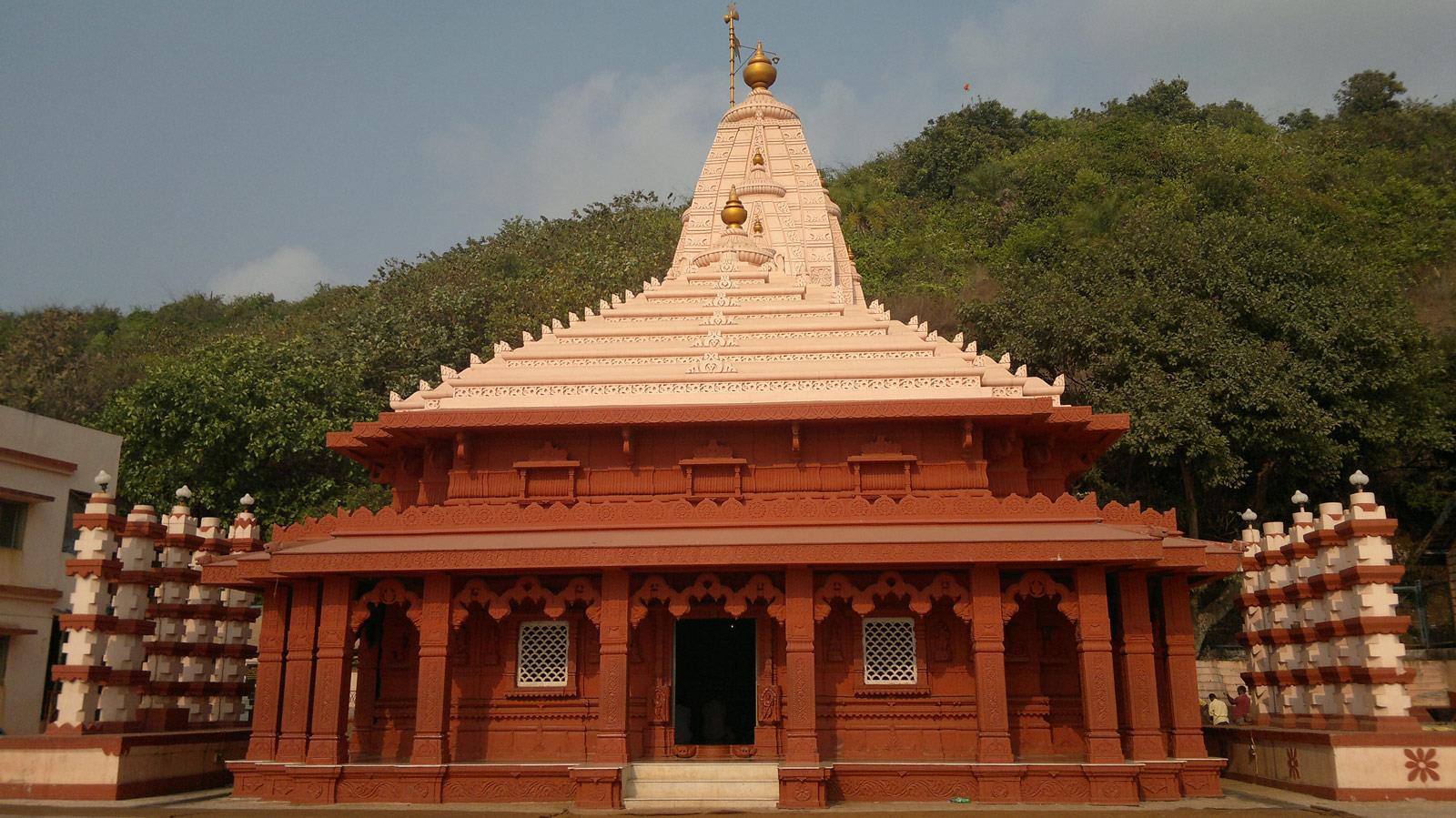
Traditional Kerala hill-shrine style, set within forested hill terrain |
Photography : |
Restricted near the sanctum; check current guidelines on arrival |
Entry Fee : |
None (virtual queue booking required for darshan) |
How to Reach
Address : |
Sabarimala Sree Dharma Sastha Temple, Periyar Tiger Reserve, Pathanamthitta district, Kerala |
Roads : |
Nilakkal and Pamba are the main road-accessible base points; from Pamba, the final stretch is on foot through forest trails |
Nearest Railway : |
Chengannur Railway Station, roughly 90 km from Pamba, is the most commonly used railhead |
Nearest Airport : |
Cochin International Airport, around 160 km away; Trivandrum International Airport is a farther alternative |