


Dagdusheth Halwai Ganpati Temple, Pune
In the middle of Pune’s old city, on Shivaji Road in Budhwar Peth, stands one of Maharashtra’s most visited and most loved Ganesh shrines. The Dagdusheth Halwai Ganpati Temple isn’t an ancient monument; it’s just over 130 years old, but few temples in India draw the kind of daily devotion and festival-season frenzy this one does. The idol inside, a striking form of Lord Ganesha weighing several kilograms and decked in gold, is insured for a sum in the crores, and the temple trust behind it has grown into one of the city’s most active civic and cultural institutions.
How the Temple Came Into Being
The story behind Dagdusheth Halwai Ganpati is a personal one rather than a royal or imperial one, which is part of why it resonates so strongly with ordinary devotees. In the late 1800s, Dagdusheth Halwai was a well known and successful sweet maker and businessman in Pune. He and his wife, Laxmibai, lost their only son to a plague epidemic that swept through the city, a loss that left the couple devastated. On the advice of a spiritual guide, they chose to build a Ganesh idol in their son’s memory, believing that channeling their grief into devotion and public worship would bring meaning back into their lives. That original halwai (sweet shop) still operates today, not far from the temple, under the same family name.
What began as a private act of mourning quickly became a shared one. The neighborhood joined in, and the annual installation and celebration of the idol grew year after year until it became one of Pune’s defining public festivals. By 2024, the temple’s Ganeshotsav celebrations had completed over 130 years, making it one of the longest continuously observed public Ganesh festivals in Maharashtra, alongside the tradition Lokmanya Tilak helped popularize during the freedom movement.
Inside the Temple
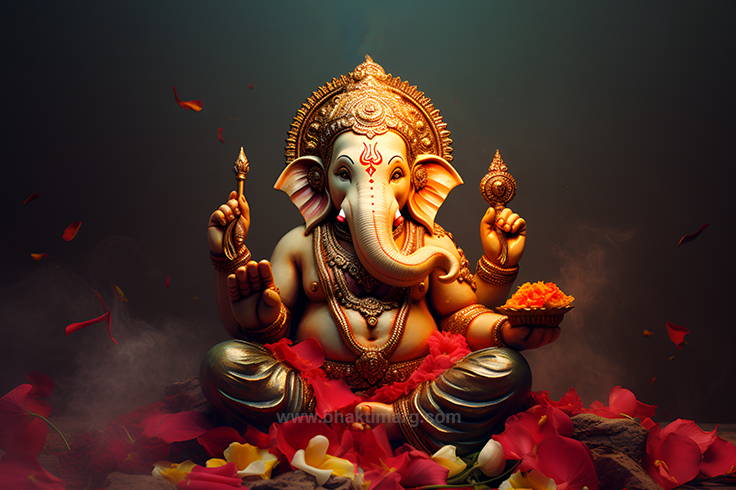
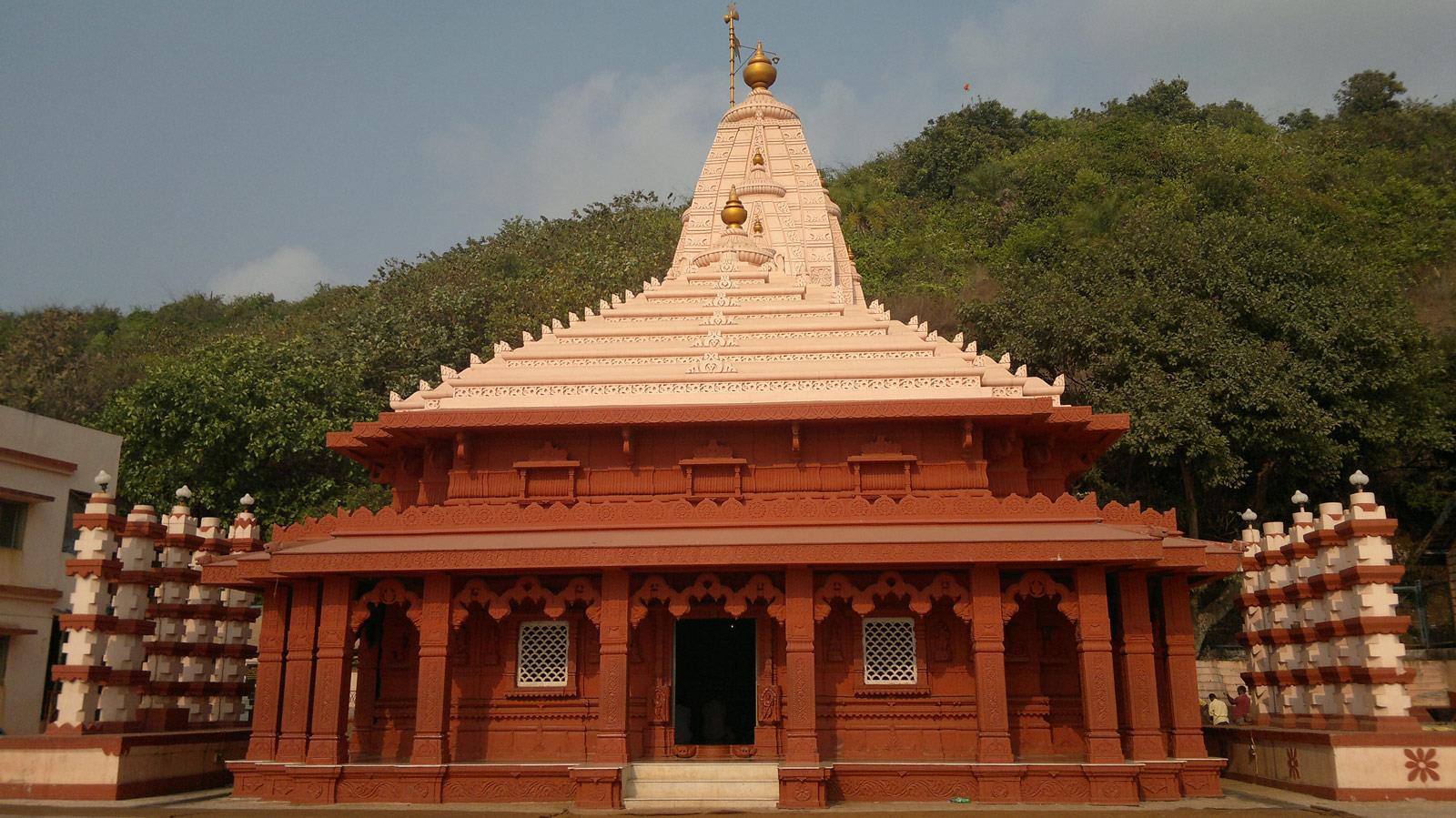
The heart of the temple is its Ganesha idol, roughly seven and a half feet tall, seated in gold ornamentation with a crown, and flanked by smaller shrines. The structure itself follows a traditional Maharashtrian temple design, with a tall, ornately carved facade that has become instantly recognizable, largely because it also serves as the ceremonial gateway devotees pass during Pune’s famous Ganeshotsav processions. Unlike temples built around centuries-old legends, this one’s architecture and rituals were shaped deliberately by the founding trust, which still runs the site today and has expanded its work well beyond daily worship into education, healthcare, and disaster relief.
Why It Matters
- It’s one of the first stops on Pune’s “Manache Ganpati” (five honored Ganpati) circuit during Ganesh Chaturthi, and one of the most visited Ganesh shrines in India during the festival, drawing devotees from across Maharashtra and well beyond.
- Its Ganeshotsav procession during visarjan (immersion) is one of the last and most anticipated in the city’s ten-day festival, often stretching late into the night as crowds follow the idol through Pune’s streets.
- The temple trust, Shrimant Dagdusheth Halwai Sarvajanik Ganpati Trust, has become a civic institution in its own right, running social welfare and community development programs year round, not just during festival season.
- It anchors Pune’s central old-city temple cluster, within easy walking distance of the historic Kasba Ganpati temple, considered the city’s oldest and most symbolically important Ganesh shrine.
Good to Know Before You Go
- Weekday visits are calmer. Outside of festival season, mornings before 9 AM or evenings after 8 PM tend to have the shortest queues.
- Ganesh Chaturthi is a different experience entirely. Expect very heavy crowds, barricaded queues, and waits that can run into hours; if you want darshan without the crush, visit a few weeks before or after the festival instead.
- The temple sits right in Pune’s old market area, so combining your visit with a walk through Budhwar Peth’s food stalls and the original Dagdusheth halwai sweet shop nearby is a popular add-on for visitors.
- Footwear stands are available outside, and modest dress is appreciated, though there’s no strict enforced code.
- Photography is generally allowed in the outer areas but may be restricted closer to the sanctum during peak hours; it’s worth checking with temple volunteers on the day.
Darshan Timing & Festival
Open Close Timing : |
5:00 AM to 10:30 PM (Monday, Wednesday to Sunday). Tuesday: 5:00 AM to 11:00 PM. |
Festivals : |
Ganesh Chaturthi, Ganesh Visarjan, Sankashti Chaturthi, Vinayaki Chaturthi, Guru Purnima |
Temple Information
Basic Services : |
Darshan, Prasad, Aarti participation, Footwear stand, Community welfare programs (via temple trust) |
Organized By : |
Shrimant Dagdusheth Halwai Sarvajanik Ganpati Trust |
Dedicated To : |
Lord Ganesha |
Architecture : |
Traditional Maharashtrian temple style, built 1893, gold-adorned idol |
Photography : |
Allowed in outer areas; restrictions may apply near the sanctum |
Entry Fee : |
None |
How to Reach
Address : |
Ganpati Bhavan, 250, Chhatrapati Shivaji Maharaj Road, Mehunpura, Budhwar Peth, Pune, Maharashtra 411002 |
Roads : |
Centrally located in old Pune; well connected by auto, cab, and city bus from all parts of Pune |
Nearest Railway : |
Pune Junction, about 3 to 4 km away |
Nearest Airport : |
Pune International Airport, roughly 10 km away |
Website : |
https://www.dagdushethganpati.com/ |