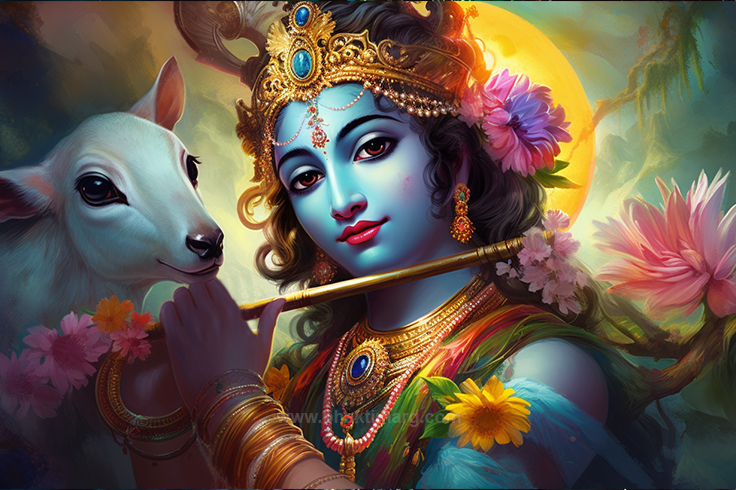



Understanding Utpanna Ekadashi: Significance and Origin
The Birth of Ekadashi Devi: A Divine Legend
Utpanna Ekadashi holds profound significance in Hindu tradition as it commemorates the birth of Ekadashi Devi from Lord Vishnu’s divine form. According to the sacred texts that narrate this divine legend, this special Ekadashi emerged during a cosmic battle between Lord Vishnu and the powerful demon Mura (also known as Mur).
The story tells how the demon Mura had become extraordinarily powerful through intense penance and acquired boons that made him nearly invincible. He began terrorizing the three worlds, and even the gods feared his might. When Mura challenged Lord Vishnu himself and invaded Vaikuntha (Vishnu’s divine abode), a fierce battle ensued.
During this intense confrontation, Lord Vishnu retreated to a cave to rest. The demon Mura, seeing this as an opportunity, followed to attack the resting Lord. At this critical moment, a radiant female deity emerged from Lord Vishnu’s body.
Lord Vishnu, pleased with Ekadashi Devi’s valor, blessed her saying that anyone who observes Ekadashi vrat with devotion and sincerity would be freed from sins and granted the path to spiritual liberation. This is why Utpanna Ekadashi is also called “Utpatti Ekadashi” – marking the birth or creation of the Ekadashi tradition itself.
Date, Tithi, and Fasting Guidelines for Utpanna Ekadashi

Utpanna Ekadashi 2025 falls on November 15 in the month of Margashirsha (according to the Hindu lunar calendar). This corresponds to the eleventh day (Ekadashi) of the waning phase (Krishna Paksha) of the moon. The tithi begins and ends according to precise astrological calculations, with devotees required to begin their fast at sunrise on Ekadashi day.
For proper Utpanna Ekadashi vrat observance, devotees should:
- Begin fasting at sunrise on Ekadashi (November 15, 2025)
- Maintain the fast until the Parana time (breaking of fast) on the following day (November 16, 2025)
- Choose from three primary fasting modes based on personal capacity:
- Nirjala (complete fast without water)
- Phalahar (fruit diet)
- Satvik (one light meal of permitted foods)
The Parana (breaking the fast) must be done after sunrise but before the end of Dwadashi tithi, avoiding the period when Dwadashi and Hari Vasara overlap.
Spiritual Benefits and Importance of Observing Utpanna Ekadashi Vrat

Utpanna Ekadashi vrat carries exceptional spiritual potency. When observed with devotion, it purifies the five elements of the body and bestows tremendous spiritual merit (punya). Devotees believe this particular Ekadashi provides a direct pathway to Vaikuntha, Lord Vishnu’s celestial abode.
The key benefits of observing Utpanna Ekadashi fast include:
- Divine protection from negative energies and obstacles
- Enhanced prosperity and abundance in life
- Mental balance and emotional clarity
- Physical detoxification and improved health
- Removal of ancestral debts and karmic burdens
- Fulfillment of righteous desires
- Spiritual advancement and connection with divine consciousness
By faithfully observing Utpanna Ekadashi vrat, devotees honor both Lord Vishnu and Ekadashi Devi while receiving their blessings for material wellbeing and spiritual growth.
Step-by-Step Puja Procedure and Essential Mantras for Utpanna Ekadashi

Preparations on Dashami Eve and Early Morning Rituals
The sacred observance of Utpanna Ekadashi vrat begins with thoughtful preparation on Dashami (tenth day) evening. On this evening, devotees should consume a light, sattvic meal free from onions, garlic, and other tamasic foods. This pre-fast meal prepares both body and mind for the upcoming spiritual practice.
Before sleeping, take a firm sankalpa (resolution) to observe the fast with pure intentions. Mentally affirm your commitment to honor Lord Vishnu through this vrat and seek his divine blessings. Complete fasting guidelines suggest rising early on Utpanna Ekadashi morning, ideally during Brahma Muhurta (around 4-5 AM).
After morning ablutions and a refreshing bath, dress in clean, preferably light-colored clothes. The next crucial step involves setting up a dedicated altar for Lord Vishnu. Place a deity or picture of Lord Vishnu (especially in his Narayana form) on a raised platform covered with a yellow or red cloth. Arrange essential puja samagri (materials) including:
- Fresh flowers and tulsi leaves
- Sandalwood paste (chandan)
- Unbroken rice grains (akshata)
- Roli (vermillion)
- Incense sticks and dhoop
- A ghee lamp
- Fresh fruits and sweets for offering
- Clean water in a copper or silver vessel
- Gangajal (if available)
Begin the initial rituals by lighting the ghee lamp and incense sticks. The flame represents divine consciousness while the fragrant smoke purifies the atmosphere. Detailed ritualistic preparations emphasize creating a clean, sacred space for worship.
Detailed Puja Procedure and Offerings for Lord Vishnu and Ekadashi Devi

The core Utpanna Ekadashi puja vidhi begins with the Sankalpa mantra, formally declaring your intention to perform this sacred vrat. Sit in a comfortable position facing east or north and recite:
“Om Adya Brahmanah, Dvitiya Parardhe, Shri Shvetavaraha Kalpe, Vaivasvata Manvantare, Kaliyuge, Prathama Pade, (location), (date) Aham Utpanna Ekadashi Vratam Karishye.”
Next, invoke Lord Vishnu by sprinkling water around the deity while chanting “Om Namo Bhagavate Vasudevaya.” This powerful mantra establishes a divine connection with the Lord.
Offer each puja item with devotion, following the traditional sequence: water, flowers, incense, lamp, sandalwood paste, and finally, the naivedya (food offering). As you present each item, mentally surrender it to the Lord with pure bhakti.
Since Utpanna Ekadashi also celebrates the birth of Ekadashi Devi, it’s auspicious to place her image beside Lord Vishnu and offer similar respects. Traditional worship practices recommend honoring both deities simultaneously.
After the offerings, recite the Vishnu Sahasranama (1000 names of Lord Vishnu) or at least 108 names if time is limited. This recitation is particularly powerful on Ekadashi days. Complete the puja with Vishnu Aarti, gently waving the lamp in clockwise circles before the deity while singing praises.
Key Mantras and Prayers for Utpanna Ekadashi Vrat

The spiritual potency of Utpanna Ekadashi vrat is enhanced through specific mantras. The primary Vishnu mantra to recite throughout the day is:
“Om Namo Bhagavate Vasudevaya”
To honor Ekadashi Devi, chant:
“Om Ekadashyai Namah”
The Ekadashi Stotram provides comprehensive benefits when recited with faith:
“Ekadashi tu yo rajni sarva papa pranasiniSarva deva mayo devi sarva papa pranasini”
Ancient scriptures particularly recommend reciting the Vishnu Sahasranama and Vishnu Gayatri Mantra on Utpanna Ekadashi 2025:
“Om Narayanaya Vidmahe Vasudevaya Dhimahi Tanno Vishnu Prachodayat”
For those seeking specific blessings, the Utpanna Ekadashi special mantra delivers remarkable results:
“Om Namo Bhagavate Utpannaikadashi Svarupaya Sarva Papa Vinashanaya Namah”
Parana (Breaking the Fast) and Important Dos and Don’ts

The Utpanna Ekadashi parana (breaking the fast) should be performed during the specific time window the next morning after sunrise but before the Dwadashi Tithi ends. Before breaking your fast, offer prayers to Lord Vishnu, expressing gratitude for enabling you to complete the vrat.
Begin parana by consuming a tulsi leaf soaked in water, followed by light, sattvic food. Traditional parana guidelines recommend avoiding heavy or tamasic foods even during parana.
Throughout your Utpanna Ekadashi vrat, observe these important practices:
- Maintain mental calm and avoid anger or negative emotions
- Practice celibacy during the fast
- Keep physical and mental cleanliness
- Read or listen to the Utpanna Ekadashi vrat katha, especially the story of Lord Vishnu defeating demon Mur
- Engage in acts of charity like feeding the poor or donating to temples
- Avoid sleeping during daylight hours
- Abstain from cutting hair or nails
Following these procedures with sincere devotion ensures the full spiritual and material benefits of the Utpanna Ekadashi vrat.
Utpanna Ekadashi is a deeply transformative spiritual observance that celebrates the divine manifestation of Ekadashi Devi from Lord Vishnu, symbolizing the eternal victory of righteousness over negative forces. Observing this sacred vrat with purity, discipline, and devotion helps devotees cleanse their karmic burdens and progress on the path of spiritual awakening. Through fasting, prayer, mantra japa, and charity, one aligns the mind and soul with higher divine consciousness. At Bhakti Marg, we are committed to preserving and sharing the authentic essence of such sacred traditions by offering devotional content, vrat kathas, and powerful mantras to support every seeker on their spiritual journey. By sincerely observing Utpanna Ekadashi, devotees invite divine grace, inner peace, and lasting spiritual growth into their lives.