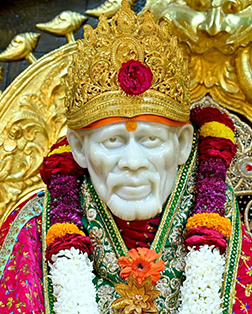


Saukhyadatara Jeeva Lyrics – Sai Baba ki Aarti
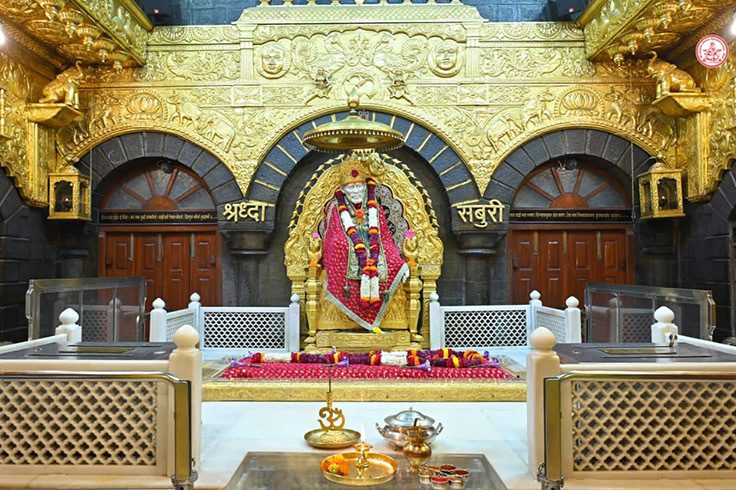
Arati Sai Baba. Saukhyadatara Jeeva. Caranarajatali
Dyava dasa visava, bhakta visava
Aarti…
Jaluniya ananga. Sasvarupi rahe danga Mumuksa janan davi.
Nija dola Sriranga. Dola Sriranga
Aarti…
Jaya mani jaisa bhava. Tayataisa anubhava Davisi dayaghana,
Aisi tuzi he mava, tuzi he mava.
Aarti…
Tumace nama dhyata. Hare Sansruthivyatha
Agadha Tava karani. Marga davisi anatha, davisi anatha.
Aarti…
Kaliyuga Avatara, Saguna Brahma sachara
Avatirna zalase Svami Datta Digambara, Datta Digambara.
Aarti…
Athan Divasa Gurvari.Bhakta kariti vari.
Prabhupada Pahavaya Bhava Bhayanivari, bhayanivari.
Aarti…
Maza nijadravya theva, Thava carana-raja-seva
Magane heci aata, Tumhan devadideva, devadideva.
Aarti…
Ichita Dina chatak Nirmala toya nijasukha
Pajaven Madhava Ya Sambhala apuli bhaka, apuli bhaka.
Aarti…
Sai Baba Aarti Saukhyadatara Jeeva is one of the most revered devotional hymns dedicated to Shirdi Sai Baba. Sung by millions of devotees during morning and evening prayers, this sacred aarti expresses gratitude, devotion, and complete surrender to Sai Baba. The words of the hymn glorify Baba as the giver of peace, happiness, wisdom, and spiritual liberation.
Whether you are a lifelong devotee or someone beginning your spiritual journey, reciting the Sai Baba Aarti Saukhyadatara Jeeva in English helps you understand the meaning while preserving the devotion and emotion of the original Marathi composition.
On this page, you will find the English version of the aarti along with its significance, spiritual meaning, benefits, and the correct way to perform the Sai Baba Aarti at home.
About Sai Baba Aarti Saukhyadatara Jeeva
The phrase “Saukhyadatara Jeeva” means “O Giver of Happiness and Well-being to All Living Beings.” The hymn beautifully describes Sai Baba’s unconditional love, compassion, and divine guidance.
Sai Baba of Shirdi taught simple yet profound principles:
- Faith (Shraddha)
- Patience (Saburi)
- Compassion for all beings
- Selfless service
- Unity of all religions
His teachings continue to inspire millions across the world regardless of caste, religion, or nationality.
Significance of Sai Baba Aarti
The Sai Baba Aarti is more than a devotional song—it is an offering of love and surrender.
Every verse reminds devotees that Sai Baba protects those who remember Him with pure devotion. Singing the aarti creates an atmosphere of peace and fills the heart with faith and positivity.
Many devotees believe that regularly performing the Sai Baba Aarti:
- Strengthens spiritual faith
- Brings inner peace
- Removes fear and anxiety
- Helps overcome obstacles
- Encourages positive thinking
- Deepens the connection with Sai Baba
Spiritual Meaning of Saukhyadatara Jeeva
The hymn celebrates Sai Baba as the compassionate guru who guides devotees through every phase of life.
Its verses symbolize:
Divine Protection: Sai Baba is regarded as the protector who watches over His devotees and helps them overcome life’s challenges.
Inner Peace: Reciting the aarti calms the mind, reduces stress, and promotes emotional balance.
Guru’s Grace: The hymn reminds us that true knowledge and liberation are attained through the blessings of the Guru.
Surrender to the Divine: The aarti teaches that surrendering one’s ego and trusting Sai Baba’s guidance leads to spiritual growth.
Benefits of Chanting Sai Baba Aarti Saukhyadatara Jeeva
Devotees across generations believe that sincere recitation of this aarti brings numerous spiritual and emotional benefits.
- Brings Mental Peace: Regular chanting creates a calm and positive state of mind, helping reduce stress and negative thoughts.
- Strengthens Faith: Reciting the aarti every day strengthens trust in Sai Baba’s divine grace and guidance.
- Encourages Positive Energy: The sacred vibrations generated during the aarti create an uplifting environment at home.
- Removes Fear and Anxiety: Many devotees experience greater confidence and emotional stability after making the aarti part of their daily worship.
- Promotes Spiritual Growth: The hymn inspires selfless living, compassion, and devotion, helping devotees progress on their spiritual journey.
Best Time to Recite Sai Baba Aarti
Although the aarti can be sung anytime with devotion, many devotees prefer these traditional timings:
- Early morning after bathing
- Evening during sunset prayers
- Thursday (considered especially sacred for Sai Baba worship)
- During Sai Baba festivals
- On Guru Purnima
- Before beginning important life events
Consistency and devotion are considered more important than the specific time.
How to Perform Sai Baba Aarti at Home
You can perform the Sai Baba Aarti in a simple and heartfelt manner.
Step 1: Prepare the Prayer Space
Clean the altar and place an image or idol of Sai Baba.
Step 2: Light a Diya
Offer a ghee or oil lamp along with incense sticks.
Step 3: Offer Flowers
Fresh flowers symbolize devotion and gratitude.
Step 4: Sing the Aarti
Recite or sing the Sai Baba Aarti Saukhyadatara Jeeva with complete concentration and devotion.
Step 5: Offer Naivedya
Offer fruits, sweets, or simple homemade food as prasadam.
Step 6: Pray with Gratitude
Spend a few moments in silent meditation and seek Sai Baba’s blessings.
The Importance of Faith and Patience
Sai Baba’s two most important teachings are Shraddha (Faith) and Saburi (Patience).
The Sai Baba Aarti beautifully reflects these values by encouraging devotees to:
- Trust divine timing.
- Face challenges with courage.
- Remain humble.
- Serve others selflessly.
- Keep faith during difficult situations.
These timeless teachings remain relevant even in today’s fast-paced world.
Why Many Devotees Prefer the English Version
Many younger devotees and international followers may not understand Marathi fluently. The English version helps them:
- Understand the meaning behind each verse.
- Develop a deeper spiritual connection.
- Learn the aarti easily.
- Participate in family prayers.
- Share Sai Baba’s teachings with future generations.
Understanding the meaning often makes the prayer more heartfelt and meaningful.
Sai Baba’s Universal Message
Sai Baba never promoted one religion over another. Instead, He encouraged humanity to live with:
- Love
- Compassion
- Equality
- Charity
- Forgiveness
- Faith in God
His famous teaching, “Sabka Malik Ek” (One God Governs All), continues to unite people from different faiths around the world.
Celebrate Sai Baba’s Blessings Every Day
Whether you pray during the morning, evening, or on Thursdays, reciting the Sai Baba Aarti Saukhyadatara Jeeva in English allows devotees to connect deeply with Sai Baba’s teachings and blessings.
The true essence of the aarti lies not merely in singing the words but in living the values of kindness, patience, faith, and selfless service that Sai Baba demonstrated throughout His life.
With sincere devotion and a pure heart, every recitation becomes an offering of gratitude and an opportunity to experience inner peace and divine grace.
Related Devotional Resources
You may also like to explore these devotional pages on Bhakti Marg: