


Best Hanuman Chalisa Versions Compared: Hariharan vs Shankar Mahadevan vs Others
Which is the Best Hanuman Chalisa Version?
The best version of the Hanuman Chalisa depends on your purpose:
- For daily prayer: Hariharan (balanced and traditional)
- For energy and motivation: Shankar Mahadevan (fast and powerful)
- For calm meditation: Anuradha Paudwal (soft and soothing)
- For deep devotion: Lata Mangeshkar (pure and emotional)
If you want one universal recommendation, Hariharan’s version is the most widely accepted for daily listening.
What is Hanuman Chalisa?
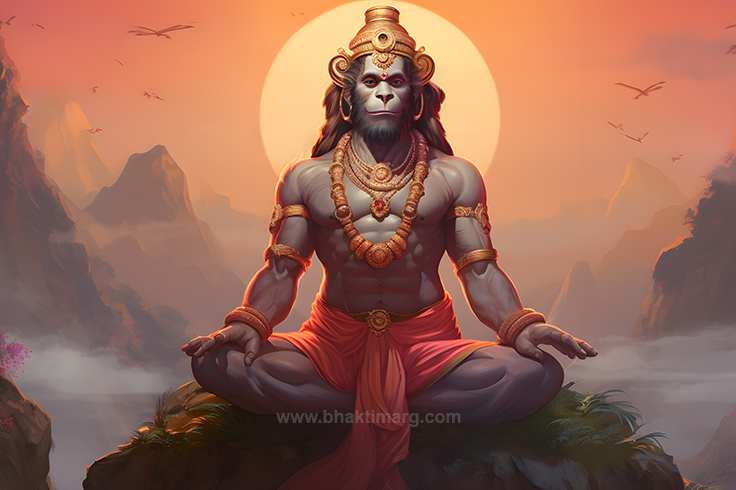
The Hanuman Chalisa is one of the most revered devotional compositions in Hindu spirituality. Written by the 16th-century poet-saint Tulsidas, this hymn is dedicated to Hanuman—the embodiment of strength, devotion, courage, and unwavering faith.
The word “Chalisa” means forty, referring to the 40 verses that make up this sacred text. Each verse praises the virtues, heroic deeds, and divine powers of Lord Hanuman, making it a powerful spiritual tool for millions of devotees worldwide.
People recite or listen to the Hanuman Chalisa to:
- Seek protection from negative energies
- Build mental strength and confidence
- Overcome fear and obstacles
- Deepen their spiritual connection
Why Are There So Many Versions of Hanuman Chalisa?

Over the decades, the Hanuman Chalisa has been reinterpreted by numerous artists across different musical styles. This diversity exists because the Chalisa is not just a hymn—it is a deeply personal spiritual experience.
Different versions cater to different preferences:
- Traditional devotional chanting
- Classical and semi-classical styles
- Contemporary fusion versions
- Meditative slow-paced renditions
Each version reflects the artist’s devotion and offers a unique way to connect with Hanuman.
Best Hanuman Chalisa Versions Compared
Hariharan Hanuman Chalisa – The Most Popular Choice
This version, popularized by Gulshan Kumar through T-Series, is one of the most widely recognized renditions.
Key Features:
- Traditional and soothing tone
- Medium tempo suitable for daily recitation
- Clear pronunciation
Why It Stands Out: This version has become the standard for many households and temples. Its calm and steady rhythm makes it ideal for daily rituals and meditation.
Best For:
- Daily listening
- Beginners
- Spiritual focus
Shankar Mahadevan Hanuman Chalisa – Energetic and Modern
Shankar Mahadevan brings a powerful and dynamic approach to the Chalisa.
Key Features:
- Fast tempo
- Strong vocal intensity
- Modern musical arrangement
Why It Stands Out: This version is uplifting and energizing, making it suitable for listeners who prefer a more engaging devotional experience.
Best For:
- Motivation and productivity
- Travel listening
- Younger audiences
Gulshan Kumar Hanuman Chalisa – The Devotional Legacy
Although not a singer, Gulshan Kumar played a key role in making the Hanuman Chalisa accessible to a global audience.
Key Features:
- Temple-style authenticity
- Minimalistic arrangement
- Deep devotional feel
Why It Stands Out: It offers a nostalgic and traditional listening experience, especially for those familiar with devotional music from earlier decades.
Anuradha Paudwal Hanuman Chalisa – Soft and Peaceful
Anuradha Paudwal provides a calming and gentle rendition.
Key Features:
- Soft vocals
- Slow tempo
- Relaxing tone
Best For:
- Meditation
- Stress relief
- Nighttime prayers
Lata Mangeshkar Hanuman Chalisa – Divine and Timeless
The legendary Lata Mangeshkar delivers a deeply emotional and spiritual version.
Key Features:
- Pure and melodious voice
- Emotional depth
- Classical influence
Best For:
- Deep devotion
- Spiritual immersion
Classical Influence of M. S. Subbulakshmi
Though not widely known for a mainstream Hanuman Chalisa recording, her devotional style has influenced many classical interpretations.
Best For:
- Classical music enthusiasts
- Traditional devotional practices
Hariharan vs Shankar Mahadevan: Quick Comparison
- Choose Hariharan for peace and consistency
- Choose Shankar Mahadevan for energy and inspiration
Best Hanuman Chalisa Version by Use Case
- Best for anxiety and stress relief: Anuradha Paudwal
- Best for daily routine: Hariharan
- Best for focus and productivity: Shankar Mahadevan
- Best for spiritual depth: Lata Mangeshkar
- Best for beginners: Hariharan
What Makes a Hanuman Chalisa Version “The Best”?
There is no single answer. The best version depends on your personal connection and spiritual goals.
Key factors include:
- Pronunciation: Accurate pronunciation ensures authenticity and deeper understanding.
- Tempo: Slow: Ideal for meditation; Medium: Best for daily prayer; Fast: Suitable for motivation
- Musical Arrangement: Some listeners prefer minimal instrumentation, while others enjoy modern compositions.
- Emotional Connection: The most important factor is how deeply the version resonates with you.
Benefits of Listening to Hanuman Chalisa

Listening to or chanting the Hanuman Chalisa regularly can:
- Reduce stress and anxiety
- Improve concentration
- Build courage and confidence
- Remove negative thoughts
- Strengthen connection with Hanuman
From a psychological perspective, repetitive chanting can help calm the mind and improve focus.
Best Time to Listen to Hanuman Chalisa

- Early morning (Brahma Muhurta)
- Tuesday and Saturday
- Before important tasks
- During meditation or पूजा
Consistency is more important than timing.
The Hanuman Chalisa remains one of the most powerful devotional practices. While different versions offer varied experiences, the essence of devotion remains unchanged.
- For daily practice: Hariharan
- For energy: Shankar Mahadevan
- For calmness: Anuradha Paudwal
- For devotion: Lata Mangeshkar
Ultimately, the true power lies in your faith, focus, and consistency, not just in the version you choose.
To deepen your connection with this sacred hymn, you can explore the benefits of chanting Hanuman Chalisa and understand how regular recitation positively influences the mind and soul. You may also read the complete Hanuman Chalisa in English or follow the devotional verses on the Shree Hanuman Chalisa by Udit Narayan page.
For a more immersive devotional experience, you may watch the Hanuman Chalisa Hindi Lyrical Video, listen to the soulful Hanuman Chalisa by Udit Narayan, or follow along with the Hanuman Chalisa in English Lyrics Video to make your daily chanting more meaningful and spiritually uplifting.