


Mahakaleshwar Jyotirlinga, Ujjain
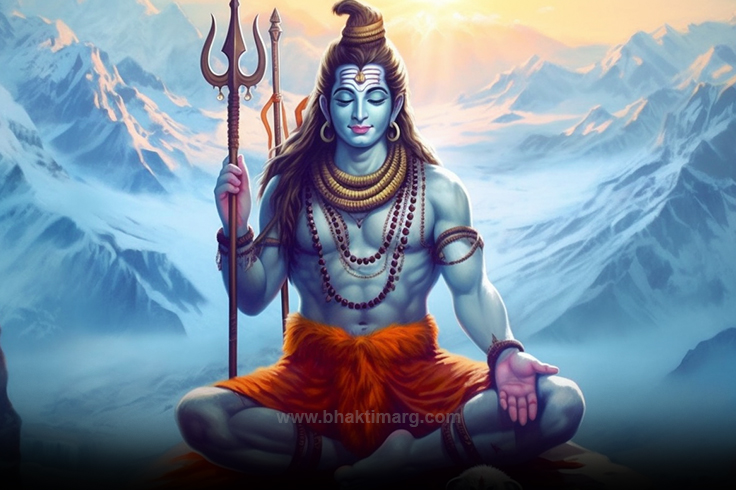
On the banks of the Shipra River in Madhya Pradesh, in one of India’s oldest continuously inhabited cities, stands the Mahakaleshwar Temple, home to one of the twelve Jyotirlingas of Lord Shiva. Here Shiva is worshipped as Mahakal, the Lord of Time and Death, and the temple is known for two things few others can claim. Its lingam faces south, which makes it the only Dakshinamukhi Jyotirlinga, and its daily Bhasma Aarti, performed before sunrise with sacred ash, draws devotees from across the world. Local belief holds that Ujjain has only one king, and that king is Mahakal.
The Legends Behind the Shrine
Two stories explain why Mahakal is considered Ujjain’s protector. In the first, a young boy named Shrikhar, son of a cowherd woman, was devoutly worshipping Shiva when the neighbouring kingdoms planned to attack the city of Ujjain, then known as Avantika. Moved by the boy’s devotion, and by the prayers of King Chandrasena, Shiva is said to have appeared as Mahakal and defended the city.
In the second, a demon named Dushana terrorized the people of Avantika, particularly devout Brahmins. When they prayed for help, Shiva emerged from the ground in a fierce form and destroyed the demon, then agreed to remain in the city at the devotees’ request as the Jyotirlinga. Both stories carry the same message: that Mahakal is the one before whom even time and death bow, which is why this temple is closely associated with prayers for protection and freedom from fear.
How the Temple Came Into Being
The temple’s origins are traditionally traced back to ancient times, and Ujjain’s association with Shiva worship is mentioned across classical Sanskrit literature, including references by poets such as Kalidasa. Historical accounts record that the temple complex was attacked and destroyed during the 13th century, around the time of Sultan Iltutmish’s campaign against Ujjain, and that worship continued in the ruins and in rebuilt forms over the following centuries.
The structure visitors see today largely dates to the 18th century, when the Maratha general Ranoji Scindia’s minister, Ramachandra Baba Shenvi, oversaw its reconstruction after Maratha rule was established in the region. The Scindia family’s patronage of the temple continued for generations. In 2022, the temple’s surroundings were transformed with the opening of the Shri Mahakal Lok corridor, a large landscaped pathway lined with sculptures and murals depicting stories from Shiva’s life, designed to improve the pilgrim experience around the temple.
Architectural Essence
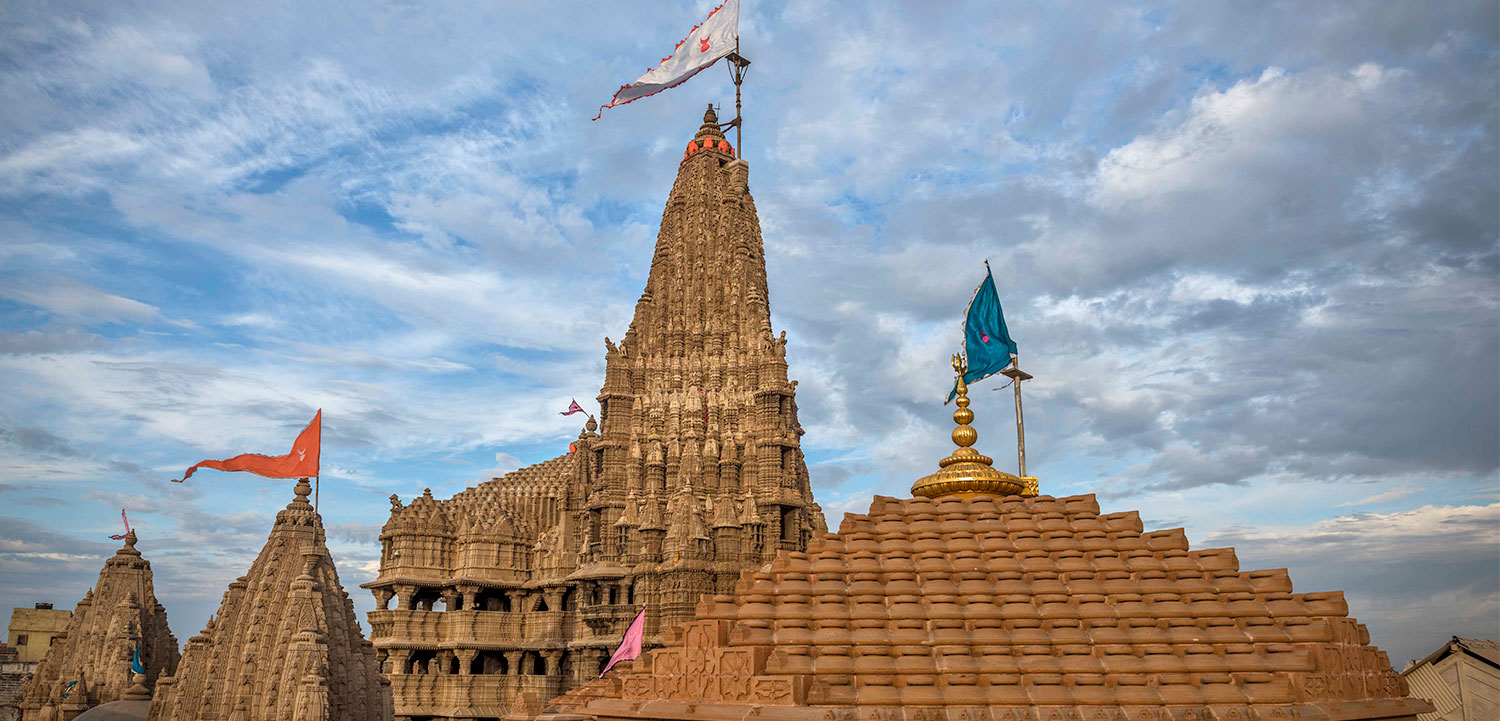
The temple is built across three levels, a feature that makes it unusual among Jyotirlinga shrines. The main Mahakaleshwar lingam sits in an underground sanctum, with the Omkareshwar shrine above it and the Nagchandreshwar shrine on the topmost level, which opens to devotees only once a year on Nag Panchami. The temple’s architecture reflects a blend of Maratha, Bhumija, and Chalukya influences, with a tall, ornately carved shikhara visible across the old city. The surrounding Mahakal Lok corridor adds a modern layer, with wide walkways, a lake-side landscape, and a large collection of statues and panels illustrating Shaivite legends.
The Bhasma Aarti
The Bhasma Aarti is the temple’s most famous ritual, performed in the early hours before dawn. In it, the lingam is bathed and then adorned with sacred ash, accompanied by chanting, drums, and the sound of conch shells, in an atmosphere that devotees often describe as one of the most intense in Indian worship. Because demand far exceeds available space, advance online registration is required, and attendees must carry valid photo ID. Traditional attire is mandatory for those attending, usually a dhoti for men and a saree for women in the sanctum area, and visitors should plan to arrive well ahead of time for security checks. The temple has also seen an increase in unofficial agents offering “guaranteed” passes, so booking only through the temple’s official channels is strongly advised.
Why It Matters
- It is one of the twelve Jyotirlingas, and the only one facing south, a direction associated with Yama, the lord of death, which is why Mahakal is considered a protector against untimely death.
- Ujjain is counted among the seven sacred Moksha-granting cities in Hindu tradition, and hosts the Simhastha Kumbh Mela every twelve years, which makes the temple a focal point for one of the largest religious gatherings in the world.
- Historically, Ujjain was treated as a prime meridian in ancient Indian astronomy and time-keeping, which fits the temple’s association with Mahakal as the Lord of Time.
- The three-tiered structure and the annual Nag Panchami opening of Nagchandreshwar give the temple a ritual calendar unlike any other Shiva shrine.
- The Mahakal Lok corridor has turned the temple surroundings into a destination in their own right, significantly raising the number of visitors in recent years.
Good to Know Before You Go
- Book Bhasma Aarti well in advance. Passes are limited and fill quickly, so register through the temple’s official website well before travelling and carry the same photo ID used at booking.
- Check the dress code. For Bhasma Aarti, men are generally required to wear a dhoti without a shirt or vest, and women a saree; carrying a change of clothes is sensible.
- Reach very early. Gates typically open before dawn for Bhasma Aarti, so staying close to the temple or Mahakal Lok corridor the night before saves a stressful early-morning rush.
- Expect restrictions inside. Phones, cameras, and bags are generally restricted near the sanctum, and lockers are available nearby for deposits.
- Fast-track and special darshan options exist for those short on time, but fees and rules change, so confirm them on the official website instead of relying on third-party agents.
- Mahashivratri, Shravan month Mondays, and Simhastha years bring the heaviest crowds. If you prefer a calmer visit, plan around these periods.
- Combine it with Omkareshwar. The Omkareshwar Jyotirlinga is a few hours away, and many pilgrims visit both in one trip.
- Best season for comfortable weather is October to March.
Darshan Timing & Festival
Open Close Timing : |
4:00 to 6:00 AM. Timings vary by season and festival, so confirm on the official website |
Festivals : |
Mahashivratri, Nag Panchami, Shravan month, Simhastha Kumbh Mela, Kartik Purnima |
Temple Information
Basic Services : |
Darshan, Bhasma Aarti (advance booking required), Prasad, Cloakroom and lockers, Online booking, Live darshan |
Organized By : |
Shri Mahakaleshwar Temple Committee |
Dedicated To : |
Lord Shiva as Mahakal (Jyotirlinga) |
Architecture : |
Maratha, Bhumija, and Chalukya influences; three-tiered structure; rebuilt in the 18th century |
Photography : |
Not permitted inside the sanctum |
Entry Fee : |
None for general darshan (fees apply for special darshan and Bhasma Aarti passes) |
How to Reach
Address : |
Mahakal Rd, Jaisinghpura, Ujjain, Madhya Pradesh 456006 |
Roads : |
Well connected by road to Indore (about 55 km), Bhopal, and Omkareshwar; autos, e-rickshaws, and taxis run within Ujjain |
Nearest Railway : |
Ujjain Junction, about 2 km from the temple, with direct trains from major cities |
Nearest Airport : |
Devi Ahilya Bai Holkar Airport, Indore, roughly 55 to 60 km away |
Website : |
https://www.shrimahakaleshwar.mp.gov.in/ |