


Can Hanuman Chalisa Reduce Stress? Neuroscience, Meditation & Mental Health Explained
In today’s fast-moving world, stress has become a constant companion for many people. Endless notifications, work pressure, emotional fatigue, and mental overstimulation often leave the mind restless and exhausted. As modern lifestyles become increasingly chaotic, many individuals are turning toward ancient practices for emotional balance and inner calm.
One such timeless practice is chanting the Hanuman Chalisa.
For centuries, devotees have recited the Hanuman Chalisa to seek courage, protection, peace, and spiritual strength. Today, growing interest in mindfulness, neuroscience, and meditation research suggests that repetitive mantra chanting may also positively influence mental well-being, emotional balance, and stress management.
Could chanting really calm the brain? Let’s explore the spiritual and scientific perspectives behind why the Hanuman Chalisa continues to resonate across generations.
How Does Hanuman Chalisa Chanting Reduce Stress?
Chanting the Hanuman Chalisa may help reduce stress by slowing breathing, calming racing thoughts, and activating the body’s relaxation response. Neuroscience research on mantra meditation suggests repetitive chanting can improve focus, emotional regulation, and mental calmness through rhythmic breathing and sound repetition.
Key Takeaways
- Hanuman Chalisa chanting combines devotion, rhythm, and mindful breathing.
- Repetitive chanting may activate the body’s relaxation response.
- Mantra meditation is increasingly explored in neuroscience research.
- Daily chanting may improve emotional calmness, focus, and mental clarity.
- The practice blends spiritual grounding with mindfulness benefits.
What Is the Hanuman Chalisa?

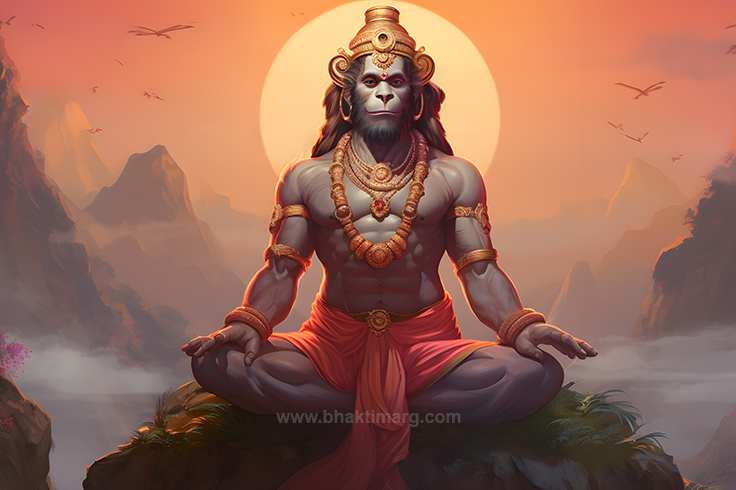
The Hanuman Chalisa is a sacred Hindu hymn written by Tulsidas in praise of Lord Hanuman, who symbolizes courage, devotion, wisdom, and strength. The word “Chalisa” means “forty,” referring to the 40 verses describing Hanuman’s virtues and divine qualities.
For generations, devotees have chanted the Hanuman Chalisa to:
- Seek protection from negativity
- Build emotional strength and resilience
- Improve focus and confidence
- Experience spiritual peace
- Reduce fear and anxiety
Understanding the Modern Stress Epidemic
Stress has become a daily mental state for many people due to information overload, work pressure, digital exposure, sleep disruption, and emotional fatigue. Chronic stress can affect concentration, mood, sleep quality, and emotional resilience.
This is why mindfulness practices, mantra meditation, and breathing exercises are increasingly gaining popularity among people looking for natural ways to calm the mind.
How Does Chanting Affect the Brain?
Neuroscience research on meditation and repetitive sound practices suggests chanting may influence brain activity, breathing patterns, and emotional regulation. While science does not measure spirituality directly, researchers continue to study how rhythmic repetition affects the nervous system.
How Chanting Activates the Relaxation Response

When people chant slowly and rhythmically, breathing naturally becomes deeper and more controlled. This may activate the Parasympathetic Nervous System — commonly known as the body’s “rest and relax” mode.
As a result, chanting may contribute to:
- Slower heart rate
- Reduced mental agitation
- Relaxed breathing patterns
- Lower stress response activity
- Emotional calmness
Why Repetition Helps Calm Racing Thoughts
One reason stress feels overwhelming is because the brain constantly jumps between thoughts, worries, and distractions. Mantra repetition creates a single point of focus, helping the mind gradually shift from scattered thinking to rhythmic awareness.
Researchers studying mantra meditation suggest repetitive chanting may:
- Reduce mental noise
- Improve mindfulness
- Stabilize attention
- Support emotional calmness
Sound Vibrations and Neural Relaxation
The human brain responds strongly to sound patterns and repetition. When chanting the Hanuman Chalisa aloud, the body experiences vocal resonance, rhythmic breathing, and structured sound vibration.
Many mindfulness researchers believe rhythmic sound patterns may support:
- Emotional regulation
- Focus enhancement
- Cognitive calmness
- Reduced sensory overload
Hanuman Chalisa vs Meditation: Are They Similar?
Both chanting and meditation involve repetition, focused attention, and controlled breathing. While meditation often focuses on silence or breath awareness, Hanuman Chalisa chanting combines sound, devotion, rhythm, and mindfulness.
This overlap explains why many people experience chanting as both a spiritual and mentally calming practice.
Scientific Research on Chanting and Mental Health
Studies on mindfulness, meditation, and repetitive prayer suggest chanting practices may support emotional well-being and stress reduction. Researchers have observed associations between mantra meditation and:
- Improved emotional balance
- Better attention control
- Reduced anxiety symptoms
- Enhanced relaxation responses
- Increased mindfulness
While research is still evolving, growing scientific interest in chanting and neuroscience continues to expand.
What People Commonly Experience While Chanting

While every individual’s experience is personal, many devotees and meditation practitioners commonly describe certain emotional and mental changes during regular Hanuman Chalisa chanting.
People often report:
- Feeling calmer and mentally lighter
- Improved sleep quality after evening chanting
- Emotional grounding during stressful situations
- Reduced overthinking and mental clutter
- A sense of spiritual comfort and inner protection
Some practitioners also describe the chanting rhythm itself as soothing, especially when combined with slow breathing and focused attention.
Why Hanuman Chalisa Chanting Increases During Hanuman Jayanti
During Hanuman Jayanti, devotees across India participate in collective chanting, temple prayers, and spiritual gatherings dedicated to Lord Hanuman. This seasonal increase in chanting reflects both devotional faith and a desire for emotional peace, positivity, and inner strength.
Who Can Benefit From Hanuman Chalisa Chanting?
- Students seeking better concentration
- Working professionals dealing with stress
- People experiencing anxiety or overthinking
- Meditation beginners
- Spiritual seekers
- Individuals looking for emotional calmness
The Hanuman Chalisa continues to resonate because it combines devotion, rhythm, repetition, breath, and emotional meaning — elements increasingly recognized in mindfulness and neuroscience research.
Whether approached spiritually or scientifically, chanting offers something many people deeply seek today: calmness in a world filled with noise. For some, it is an act of faith. For others, it is a meditative ritual that quiets the mind and eases emotional stress.
Even a few mindful minutes of chanting each day may help create a calmer relationship with stress, thoughts, and modern life itself.
Additionally, explore the benefits of chanting Hanuman Chalisa and understand how regular recitation positively influences the mind and soul. You may also read the complete Hanuman Chalisa in English or follow the devotional verses on the Shree Hanuman Chalisa by Udit Narayan page.
For a more immersive devotional experience, you may watch the Hanuman Chalisa Hindi Lyrical Video, listen to the soulful Hanuman Chalisa by Udit Narayan, or follow along with the Hanuman Chalisa in English Lyrics Video to make your daily chanting more meaningful and spiritually uplifting.