


Ramanathaswamy Temple, Rameswaram, Tamil Nadu
On Rameswaram Island, at the southeastern tip of India where the Bay of Bengal meets the Gulf of Mannar, stands one of the most unusual temples in the country. Ramanathaswamy Temple is dedicated to Lord Shiva, worshipped here as Ramanatha, the Lord of Rama, and it holds a rare double honour: it is one of the twelve Jyotirlingas and one of the four Char Dham pilgrimage sites. It’s also a place where Shaiva and Vaishnava traditions meet, since the story at its heart is about Lord Rama worshipping Shiva. The temple is best known today for its vast stone-pillared corridors, often described as the longest of any Hindu temple, and for the 22 sacred wells inside it, where pilgrims bathe before darshan.
The Legend Behind the Shrine
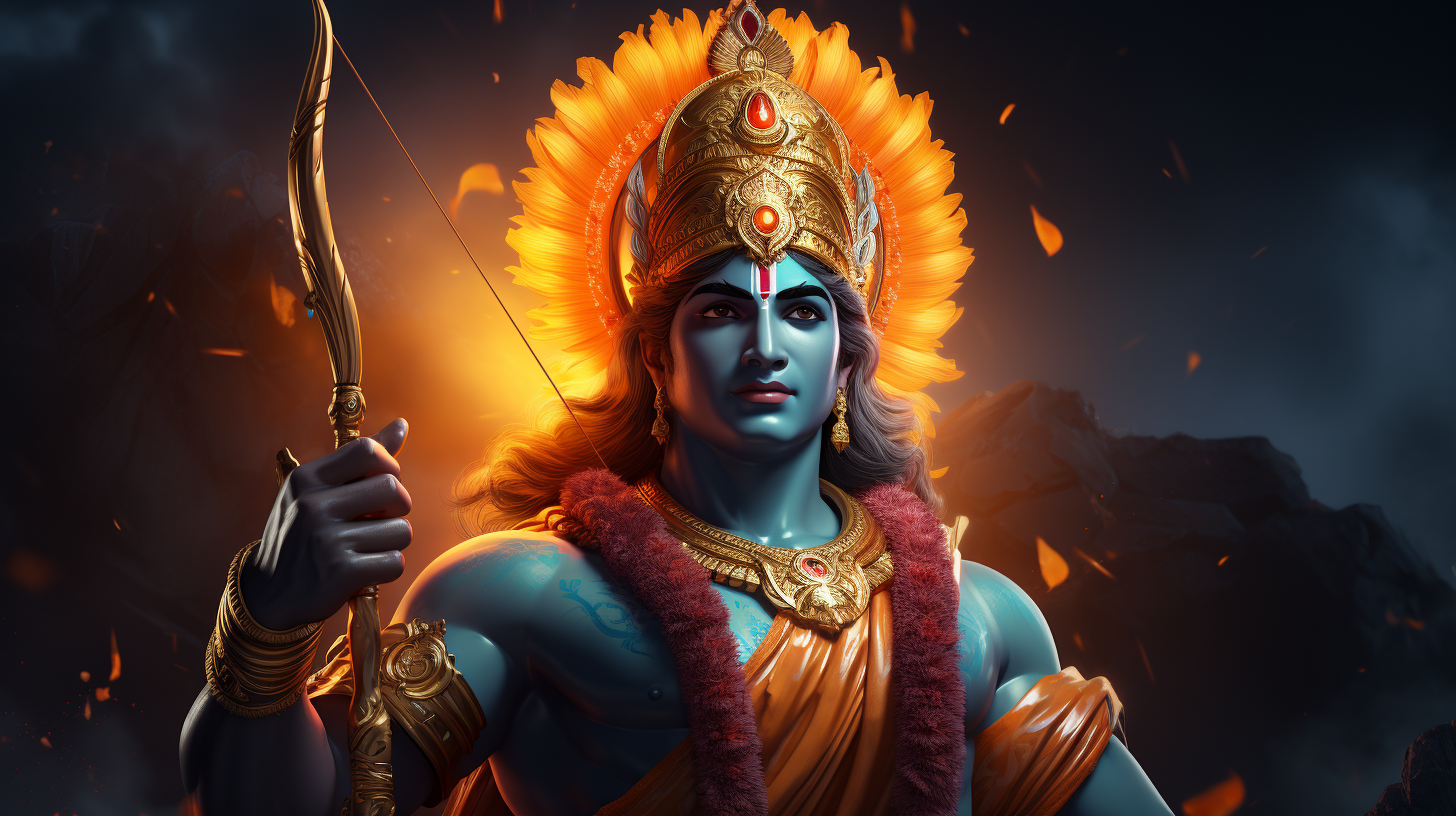
According to the Ramayana tradition, after defeating the demon king Ravana in Lanka, Lord Rama was advised that he needed to atone for the sin of having killed a Brahmin, since Ravana was a learned scholar born into a Brahmin family. The remedy was to worship Shiva and install a lingam at the spot where he returned from the battle.
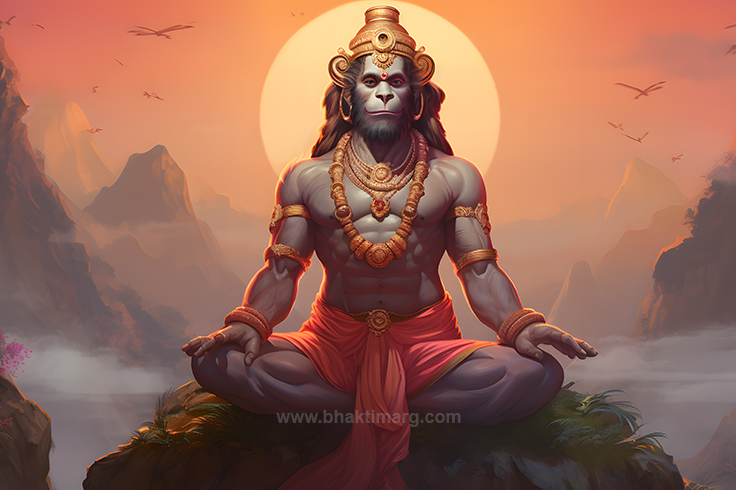
Rama sent Hanuman to bring a lingam from Mount Kailash. When Hanuman was delayed and the auspicious hour was running out, Sita fashioned a lingam from sand on the seashore, and Rama consecrated it. This lingam, known as the Ramalingam, is the main deity of the temple. When Hanuman returned with his lingam, he was upset to find the worship already complete. To console him, Rama installed Hanuman’s lingam as well, known as the Vishwalingam, and declared that it should be worshipped first, a tradition still followed today.
How the Temple Came Into Being
The temple’s roots are ancient, but the structure visitors see today took shape over many centuries. Records trace an early shrine to around the 12th century, with later rulers adding to it. The Sethupathi rulers of the Ramnad region were its most important patrons, and the grand corridors that define the temple today were largely built over the 18th and 19th centuries. The temple is now administered by the Tamil Nadu Hindu Religious and Charitable Endowments (HR&CE) Department.
Architectural Essence
Ramanathaswamy Temple is a classic example of Dravidian temple architecture, built around towering gopurams, carved pillars, and wide stone corridors. The eastern gopuram rises to roughly 38 metres, and the complex covers around 15 acres. Its most celebrated feature is the series of three pillared corridors, which together run for roughly 1,200 metres and are lined with more than a thousand carved pillars. Walking them, with the sound of the sea outside and rows of identical columns stretching ahead, is an experience many visitors remember long after the visit.
The 22 Theerthams
Rameswaram is a theertha kshetra, a place of sacred waters. Within the temple are 22 wells and tanks called theerthams, each linked to a deity, sage, or story, and traditionally said to represent the 22 arrows in Rama’s quiver. Before darshan, pilgrims bathe in or are doused with water from each of these wells in turn, a ritual believed to cleanse sins and prepare the devotee for worship. Outside the temple, the sea at Agni Theertham is the first and most important bathing spot, and is also where many pilgrims perform rites for their ancestors.
Why It Matters
- It’s one of the twelve Jyotirlingas, and the only one in Tamil Nadu, linking it to the same sacred network as Kashi Vishwanath and Mahakaleshwar.
- It’s one of the four Char Dham sites, alongside Badrinath, Puri, and Dwarka, and the southernmost of the four.
- The Kashi-Rameswaram yatra is a traditional pilgrimage in which devotees carry Ganga water from Kashi to offer here, and bring back sand from Rameswaram to immerse in the Ganga, linking the north and south of India in a single journey.
- It’s one of the few temples where Shaiva and Vaishnava traditions are woven together, through Rama’s own worship of Shiva.
- Its corridors are among the most photographed and admired pieces of temple architecture in India.
Good to Know Before You Go
- Start with Agni Theertham. Many pilgrims bathe in the sea first, then enter the temple for the theertham ritual, so carry a change of clothes and a towel.
- Plan the theertham bathing. Pilgrims are usually led through the wells by guides and attendants, and a small ticket is required at the counter. Wet clothes are common during this stretch, so dress accordingly.
- Wear traditional attire. Dress rules are enforced at the temple, and traditional clothing is expected. Check current guidelines before you go.
- Go early or late. Early morning, including the Spatika Lingam darshan window, tends to be calmer than midday.
- Don’t plan for afternoon. The temple closes for a break in the afternoon, so plan your darshan around the morning and evening windows.
- Phones and cameras are restricted inside, so travel light and use the nearby lockers.
- Amavasya days are busy. Aadi Amavasya, Thai Amavasya, and Mahalaya Amavasya bring large crowds for ancestral rites.
- Combine it with Dhanushkodi. The ghost town and the sandbar at the island’s tip are a short drive away and part of most Rameswaram itineraries.
- Best season is October to March, when the heat and humidity are lower.
Darshan Timing & Festival
Open Close Timing : |
Approx. 5:00 AM to 1:00 PM and 3:00 PM to 9:00 PM. Spatika Lingam darshan around 5:00 to 6:00 AM. Confirm locally |
Festivals : |
Maha Shivaratri, Brahmotsavam (February to March), Aadi Thirukalyanam (July to August), Aadi Amavasya, Thai Amavasya |
Temple Information
Basic Services : |
Darshan, Prasad, Theertham bathing, Lockers, Guides, Accommodation nearby |
Organized By : |
Tamil Nadu HR&CE Department |
Dedicated To : |
Lord Shiva as Ramanathaswamy (Ramalingam and Vishwalingam) |
Architecture : |
Dravidian style, with long pillared corridors and towering gopurams |
Photography : |
Restricted inside the temple |
Entry Fee : |
N/A |
How to Reach
Address : |
Ramanathaswamy Temple, Rameswaram, Ramanathapuram District, Tamil Nadu 623526 |
Roads : |
Connected to Madurai (about 170 km) and other cities via the Pamban Bridge; buses and taxis run regularly |
Nearest Railway : |
Rameswaram Railway Station, about 1 to 2 km away |
Nearest Airport : |
Madurai International Airport, about 175 to 180 km away |