


The Story Behind Hanuman Chalisa: Tulsidas, Akbar & the Real History
Few devotional hymns in India carry as much emotional and spiritual influence as the Hanuman Chalisa. Recited daily by millions, its verses are associated with courage, devotion, protection, and inner strength. But behind this sacred composition lies a fascinating story involving the saint-poet Tulsidas, the Mughal emperor Akbar, the Bhakti Movement, and centuries of devotional tradition that continue to shape Indian spiritual culture today.
How was the Hanuman Chalisa written? Did Tulsidas really meet Akbar? Was the famous prison story historical fact or devotional folklore?
Let’s explore the spiritual, historical, and cultural story behind the Hanuman Chalisa and why it continues to resonate across generations.
What Is the Hanuman Chalisa?
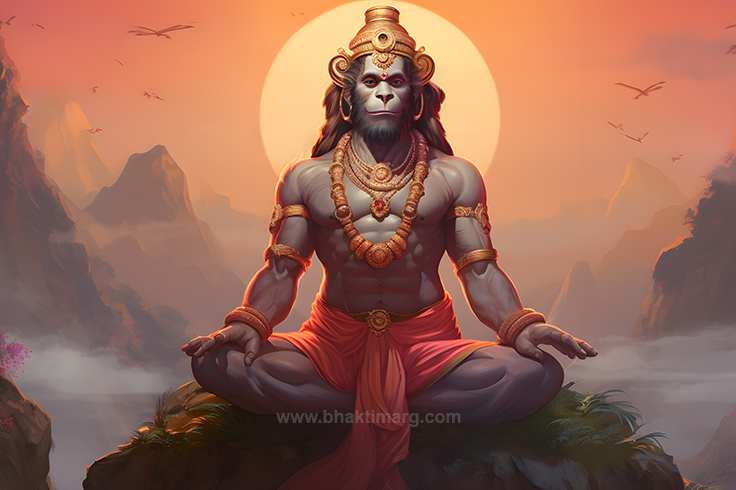
The Hanuman Chalisa is a 40-verse Hindu devotional hymn dedicated to Lord Hanuman, the symbol of strength, courage, loyalty, wisdom, and unwavering devotion toward Lord Rama.
The word “Chalisa” comes from the Hindi word “Chalis,” meaning forty. The hymn praises Hanuman’s divine qualities, spiritual power, fearlessness, and devotion.
Written in the Awadhi language, the Hanuman Chalisa became widely popular because it made spiritual devotion accessible to ordinary people rather than limiting sacred teachings to Sanskrit scholars.
Today, the Hanuman Chalisa is recited in homes, temples, festivals, meditation gatherings, and spiritual practices across India and around the world.
Who Was Tulsidas?

Tulsidas was a 16th-century Hindu saint-poet, philosopher, and spiritual reformer associated with the Bhakti Movement — a devotional movement that emphasized personal connection with God through faith, prayer, music, and poetry.
Born in present-day Uttar Pradesh, Tulsidas is best known for writing the Ramcharitmanas, a retelling of the Ramayana in Awadhi. His works played a major role in spreading devotion toward Lord Rama and Hanuman among common people.
Unlike traditional Sanskrit scriptures that were accessible mainly to scholars, Tulsidas wrote in local languages so spiritual teachings could reach wider audiences.
Many devotees believe the emotional depth and spiritual energy of the Hanuman Chalisa reflect Tulsidas’s profound devotion and spiritual insight.
The Bhakti Movement and Devotional Literature
To understand the importance of the Hanuman Chalisa, it is important to understand the Bhakti Movement itself.
The Bhakti Movement transformed Indian spiritual culture by encouraging direct devotion instead of ritual hierarchy. Saint-poets across India used regional languages, songs, and poetry to make spirituality emotionally relatable and accessible.
This movement gave rise to some of India’s most influential devotional literature, including:
- Ramcharitmanas
- Hanuman Chalisa
- Bhajans and kirtans
- Regional devotional poetry
The Hanuman Chalisa became one of the most enduring works from this devotional tradition because of its simplicity, rhythm, memorability, and emotional reassurance.
The Popular Story Behind Hanuman Chalisa

According to devotional tradition, Tulsidas composed the Hanuman Chalisa during a difficult period while imprisoned by Mughal emperor Akbar.
The story says that Tulsidas gained widespread recognition as a spiritually gifted saint. Reports of miracles and divine experiences surrounding him eventually reached Akbar’s royal court.
Akbar allegedly invited Tulsidas to demonstrate his spiritual powers.
However, Tulsidas is believed to have humbly replied that he possessed no miracles himself and was merely a devotee of Lord Rama.
According to the legend, Akbar became displeased and ordered Tulsidas to be imprisoned.
While in prison, Tulsidas devoted himself to prayer and chanting in praise of Lord Hanuman. During this period of intense devotion, tradition says he composed the Hanuman Chalisa.
Soon afterward, large groups of monkeys reportedly began creating chaos throughout the royal capital and palace surroundings.
The disturbances became so severe that Akbar eventually released Tulsidas.
Devotees interpret this event as divine intervention by Lord Hanuman in response to the saint’s devotion.
Did Akbar Really Imprison Tulsidas?
The connection between Tulsidas and Akbar remains one of the most debated aspects of Hanuman Chalisa history.
According to devotional traditions, Mughal emperor Akbar imprisoned Tulsidas after the saint refused to perform miracles in court. However, historians note that there is limited direct historical documentation confirming every detail of the story.
What historians generally agree upon is that:
- Tulsidas lived during the Mughal Empire
- His lifetime overlapped with Akbar’s reign
- Tulsidas was already respected as a saint-poet
- Mughal rulers often interacted with spiritual leaders and scholars
Because many spiritual narratives in India were preserved through oral storytelling traditions, some elements of the story may blend historical events with symbolic devotional folklore.
For believers, however, the deeper meaning of the story lies not in political accuracy but in themes of faith, humility, devotion, and divine protection.
Why Historians Debate the Akbar Story

Many historians approach the Hanuman Chalisa prison story cautiously because devotional literature often combines historical memory with spiritual symbolism.
Several factors contribute to the debate:
- Limited written records from the period
- Oral transmission of stories across generations
- Regional variations in storytelling traditions
- Symbolic interpretation of miracles in devotional narratives
In Indian spiritual traditions, stories are often preserved not only to document history but also to communicate moral and spiritual truths.
As a result, the story of Tulsidas and Akbar continues to exist simultaneously as:
- devotional folklore
- cultural memory
- spiritual symbolism
- partially historical tradition
This coexistence of faith and history is common in many ancient spiritual traditions around the world.
Why the Hanuman Chalisa Became Spiritually Powerful

The Hanuman Chalisa has remained spiritually influential for centuries because it combines several deeply resonant elements:
- Devotion
- Rhythm
- Simplicity
- Emotional reassurance
- Poetic structure
- Spiritual symbolism
Each verse celebrates qualities associated with Lord Hanuman such as:
- Courage
- Discipline
- Fearlessness
- Loyalty
- Wisdom
- Protection from negativity
- Selfless devotion
Many devotees believe regular chanting creates emotional resilience, spiritual calmness, and inner confidence during difficult phases of life.
The Symbolism of Lord Hanuman
In Hindu devotional traditions, Lord Hanuman represents much more than physical strength.
Spiritually, Hanuman symbolizes:
- unwavering devotion
- emotional resilience
- discipline
- humility
- courage during adversity
- protection against negativity
- service without ego
This symbolism is one reason the Hanuman Chalisa continues to emotionally resonate with people facing fear, uncertainty, stress, and personal struggles.
Why the Story Still Resonates Emotionally Today
Centuries later, the story behind the Hanuman Chalisa continues to inspire people because it reflects timeless human emotions.
Many people connect deeply with the idea of:
- maintaining faith during hardship
- finding strength during uncertainty
- staying humble despite power and recognition
- turning toward devotion during emotional difficulty
For some devotees, the story represents divine protection. For others, it symbolizes emotional resilience and spiritual hope during difficult phases of life.
Even younger generations exploring mindfulness, spirituality, and meditation often find comfort in the Hanuman Chalisa because of its calming rhythm, emotional familiarity, and cultural connection.
This emotional continuity across generations is one reason the Hanuman Chalisa remains deeply embedded in India’s spiritual and cultural memory.
The Cultural Legacy of the Hanuman Chalisa
The Hanuman Chalisa is not just a devotional composition — it is one of the most influential spiritual texts in Hindu devotional culture.
It is recited during:
- Hanuman Jayanti
- Tuesday and Saturday prayers
- Temple gatherings
- Bhajan sessions
- Spiritual festivals
- Personal meditation and chanting practices
Over centuries, the Hanuman Chalisa has crossed regional, linguistic, and generational boundaries, becoming one of the most recognized and recited Hindu hymns globally.
Its influence continues through music, films, spiritual discourses, devotional gatherings, and digital platforms.
Final Thoughts
The story behind the Hanuman Chalisa blends history, devotion, poetry, and spiritual symbolism in a way that continues to inspire millions across generations.
Whether understood as historical tradition, devotional folklore, or spiritual metaphor, the connection between Tulsidas, Akbar, and Lord Hanuman remains one of the most fascinating narratives in Indian devotional history.
More importantly, the Hanuman Chalisa continues to endure because of what it offers people even today — courage during fear, faith during uncertainty, emotional reassurance during hardship, and spiritual calmness in a fast-moving world.
Whether viewed through faith or historical curiosity, its timeless verses continue to remind people of the enduring power of devotion, resilience, humility, and inner strength.
Explore the benefits of chanting Hanuman Chalisa and understand how regular recitation positively influences the mind and soul. You may also read the complete Hanuman Chalisa in English or follow the devotional verses on the Shree Hanuman Chalisa by Udit Narayan page.
For a more immersive devotional experience, you may watch the Hanuman Chalisa Hindi Lyrical Video, listen to the soulful Hanuman Chalisa by Udit Narayan, or follow along with the Hanuman Chalisa in English Lyrics Video to make your daily chanting more meaningful and spiritually uplifting.