

Tu Sukhkarta Tu Dukh Harta Lyrics in English – Ganesh Ji Ki Aarti
|| Shri Ganeshaya Namah ||
Tu Sukh Karta Tu Dukha Harta, Vighna Vinashak Morya
Sankati Rakshi Sharan Tula Mi, Ganapati Bappa Morya
Mangalmurti Tu Gananayak, Vakratunda Tu Siddhivinayak
Tujhiya Dwari Aaj Paatalo, Te Icchit Maja Chhaya
Tu Sakalancha Bhagya Vidhata, Tu Vidhyecha Swami Daata
Jnayanadeep Ujaluniya Aamucha Neemavi Nairashyala
Tu Mata Tu Pita Jagi Hya, Jnyata Tu Sarvasva Jagi Hya
Paamar Mi, Swar Une Bhasati Tujhi Aarti Gaya
Mangalmurti Morya, Ganpati Bappa Morya
The “Tu Sukh Karta Tu Dukha Harta” aarti is one of the most beloved devotional songs dedicated to Lord Ganesha. Widely sung across Maharashtra and India, this aarti praises Lord Ganesha as the remover of obstacles and the giver of happiness, peace, and prosperity.
This powerful Ganesh aarti is an essential part of daily puja and is especially performed during Ganesh Chaturthi, where devotees welcome and worship Ganpati Bappa with deep devotion.
Meaning of Tu Sukh Karta Tu Dukha Harta Aarti
The phrase “Sukhkarta Dukhharta” literally means “the giver of happiness and the remover of sorrow.” This beautifully captures the essence of Lord Ganesha, who is worshipped as Vighnaharta — the remover of obstacles.
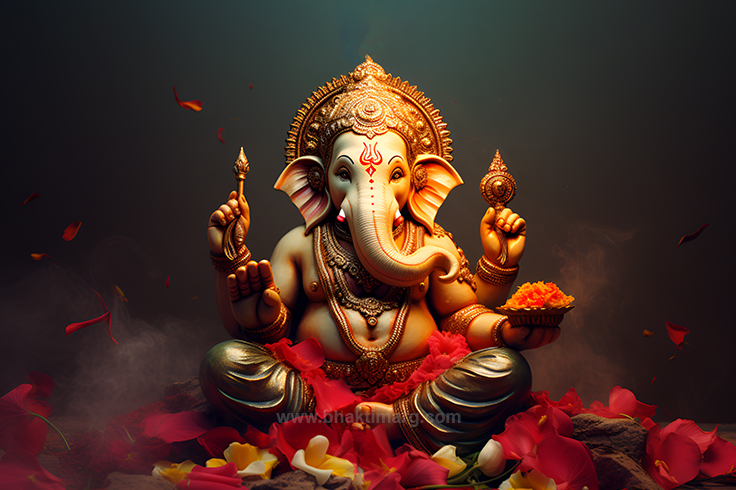
Each verse of the aarti describes the divine form of Lord Ganesha, adorned with shendur (sacred orange paste), ornaments, and a radiant presence that symbolizes positivity and auspiciousness. The lyrics also express a devotee’s surrender, seeking blessings for success, protection, and peace in life.
The aarti emphasizes that even the darshan (sight) of Lord Ganesha can fulfill wishes and bring inner satisfaction.
This aarti is often sung along with other Sukhkarta Dukhharta Ganesh aarti lyrics and popular prayers like Jay Ganesh Deva aarti during daily worship.
About Tu Sukh Karta Tu Dukha Harta Aarti
This aarti was composed by the saint Samarth Ramdas in the 17th century and is one of the most widely performed Ganesh aartis in Maharashtra.
It is traditionally sung at the end of Ganesh puja while offering light (aarti) to the deity. Over time, it has become a universal devotional song performed in homes, temples, and public Ganesh celebrations.
The aarti holds special significance during Ganesh Chaturthi, when devotees gather to sing it with devotion and celebrate the arrival of Lord Ganesha.
Benefits of Chanting Tu Sukh Karta Tu Dukha Harta
Chanting this powerful Ganesh aarti offers multiple spiritual and emotional benefits:
- Removes obstacles and difficulties from life
- Brings happiness, peace, and emotional balance
- Creates a positive and spiritually uplifting environment
- Enhances focus and mental clarity
- Attracts prosperity, success, and good fortune
For a deeper spiritual routine, devotees also chant the Om Gan Ganpataye Namah mantra and Ekadantaya Vakratundaya mantra.
When to Chant Tu Sukh Karta Tu Dukha Harta Aarti
This Ganesh aarti can be sung during various important occasions:
- During Ganesh Chaturthi celebrations
- Daily during morning and evening puja
- Before starting new work or important tasks
- During Ganesh visarjan ceremonies
For a complete devotional experience, you can also include Bappa Morya Re aarti (link to: /ganesh-aarti-bappa-morya-re-english) and Tu Sukh Karta Tu Dukha Harta variations.